





How to Find the Right Tool Belt Setup for You
Choosing the right tool belt comes down to three things: what your trade demands, how the belt fits your body, and how much weight you're moving around all day. Get those right and your rig disappears into the background. Get them wrong and you'll notice it by noon.
Start With Your Trade
You already know what you carry. The belt just has to keep up with it.
Framers are moving fast and carrying a lot: hammers, speed squares, tape measures, nail bags that need to be deep and accessible. Finish carpenters need organization over capacity; the tools are smaller but the layout matters more. Electricians and low-voltage techs are often on ladders or in tight spaces, so a lighter, lower-profile setup earns its keep. Masons and concrete workers need durable, high-capacity carry that holds up in rough conditions and keeps heavy hand tools accessible. Drywall hangers move constantly and need a setup that stays out of the way while keeping knives, screws, and measuring tools within reach. Ironworkers need a secure, no-nonsense rig that doesn't shift when they're working at elevation. General contractors are usually lighter on tools and heavier on measuring and layout equipment.
You get the idea. Every trade has its own rhythm. Think about what you reach for most in a given hour and build from there. If you want to cut straight to setups built for your trade, browse by trade here.
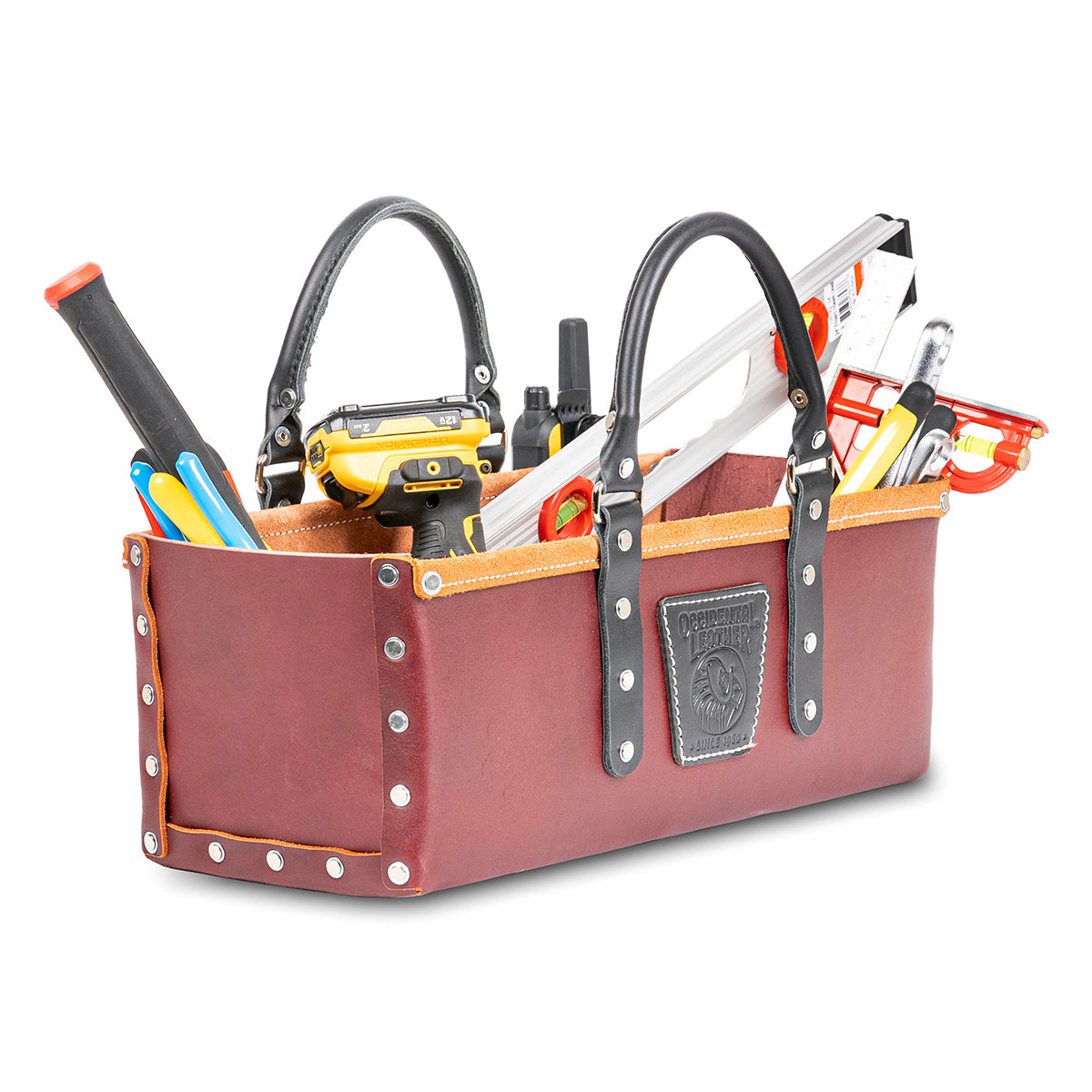
Worth noting: not every trade works best with a belt. If you're finding that a traditional setup doesn't suit how you move, tool totes and vests are worth considering as an alternative or complement to a belt-based rig.
Know What You're Working With: Tool Belt Components
Before you can evaluate a setup, it helps to know what the parts actually do.
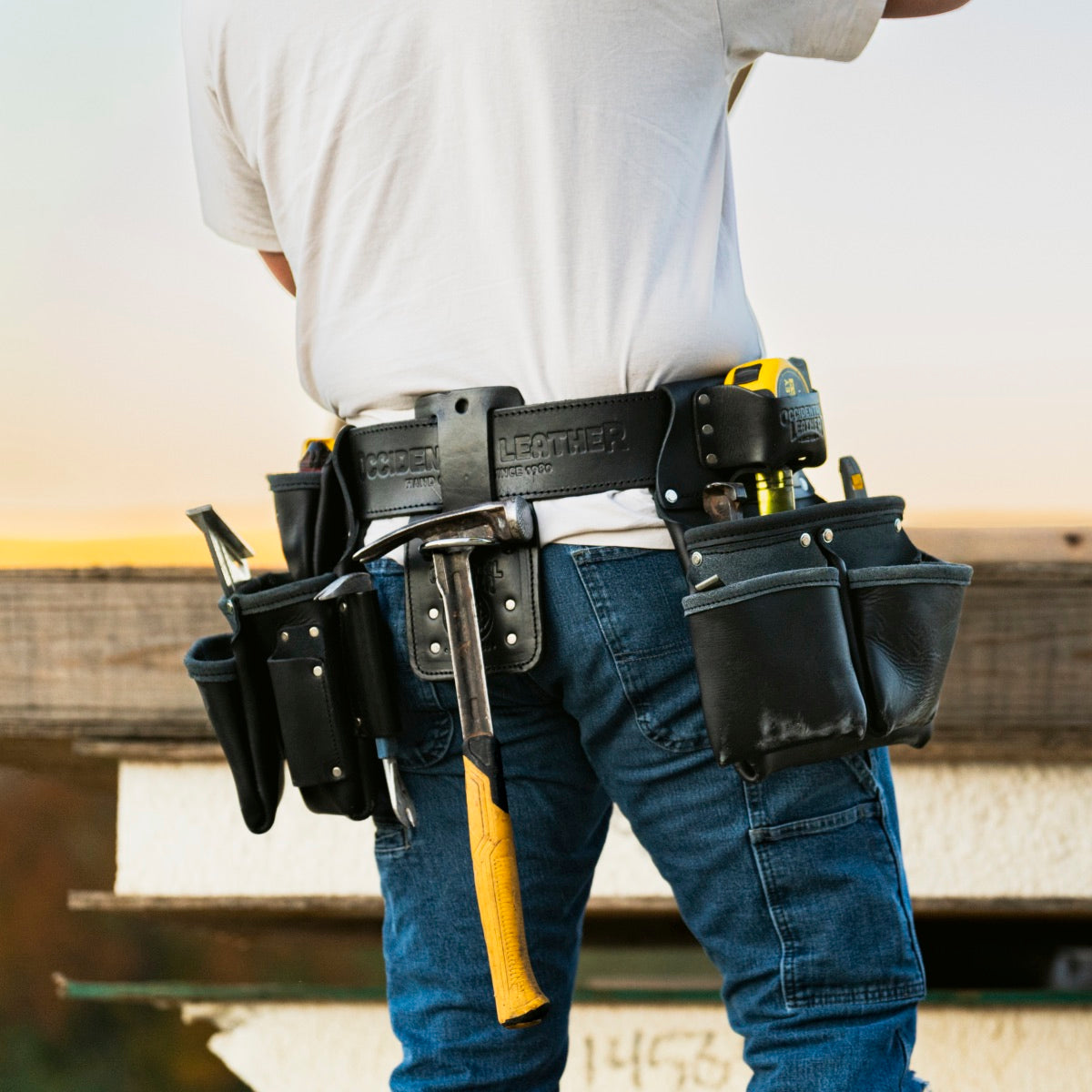
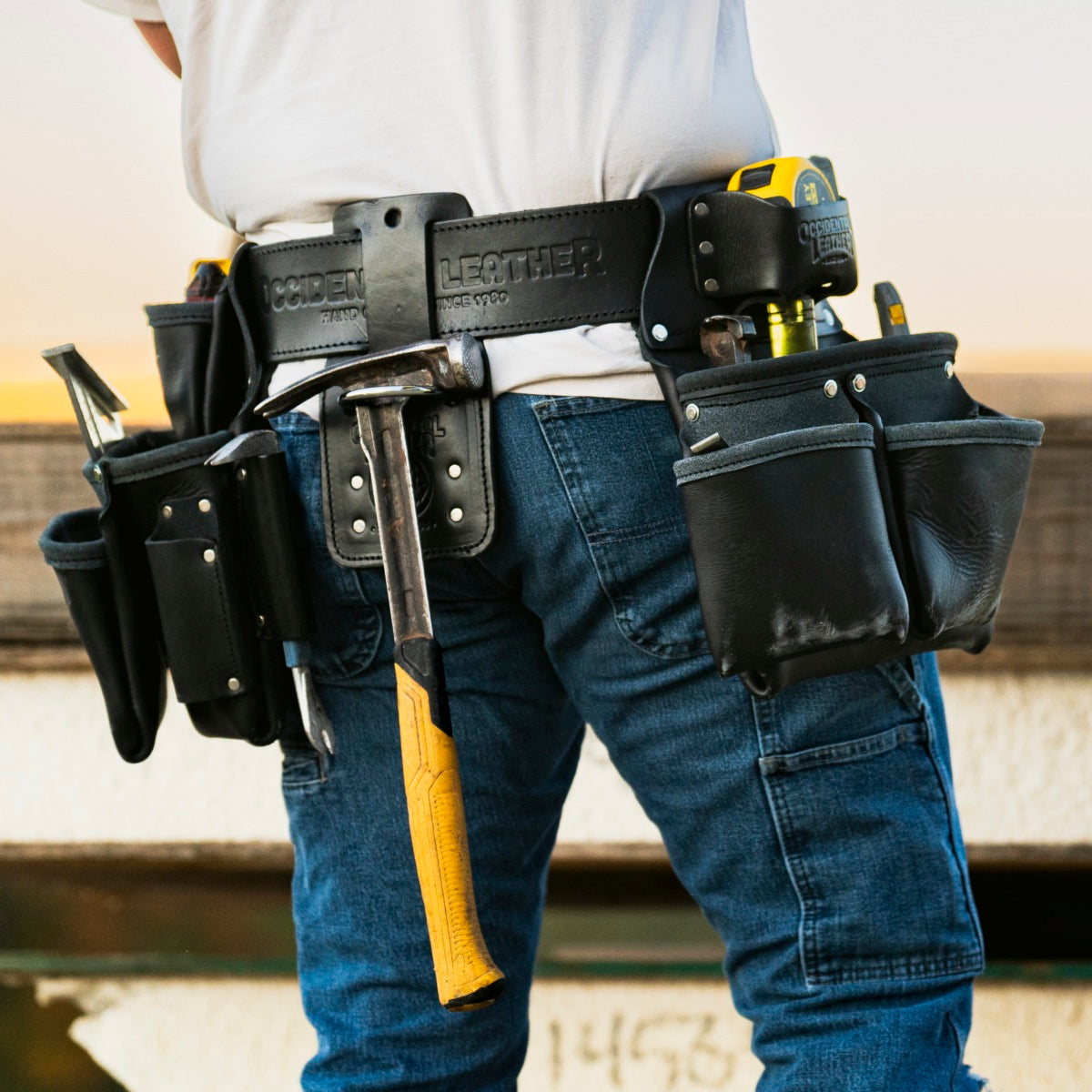
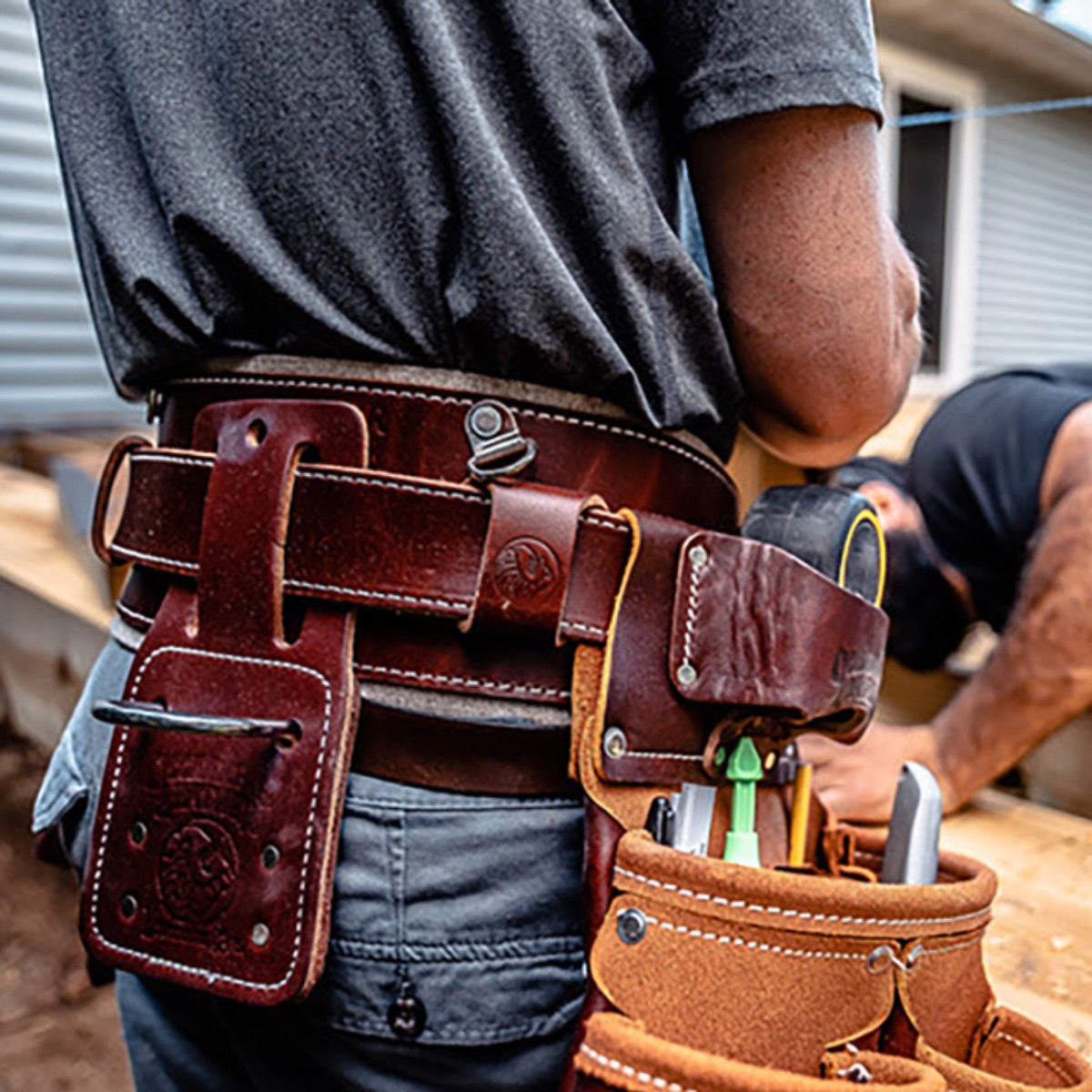
The belt is the foundation. It's what everything else hangs from and what rides on your hips all day. Width, stiffness, and material all affect how weight distributes and how the belt holds up over time.
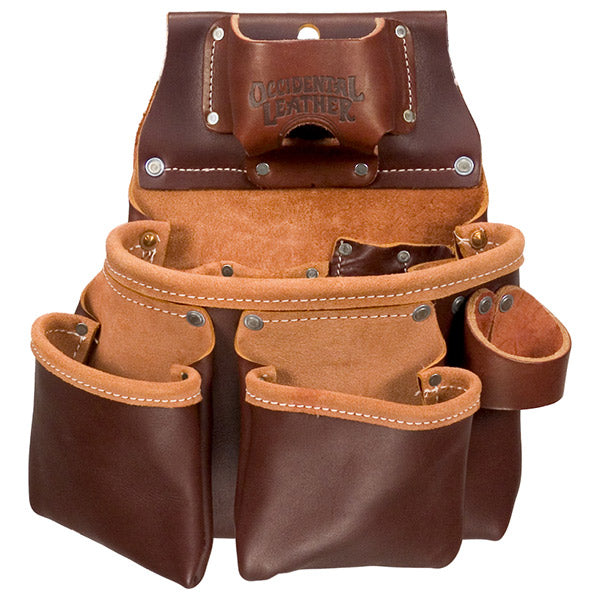
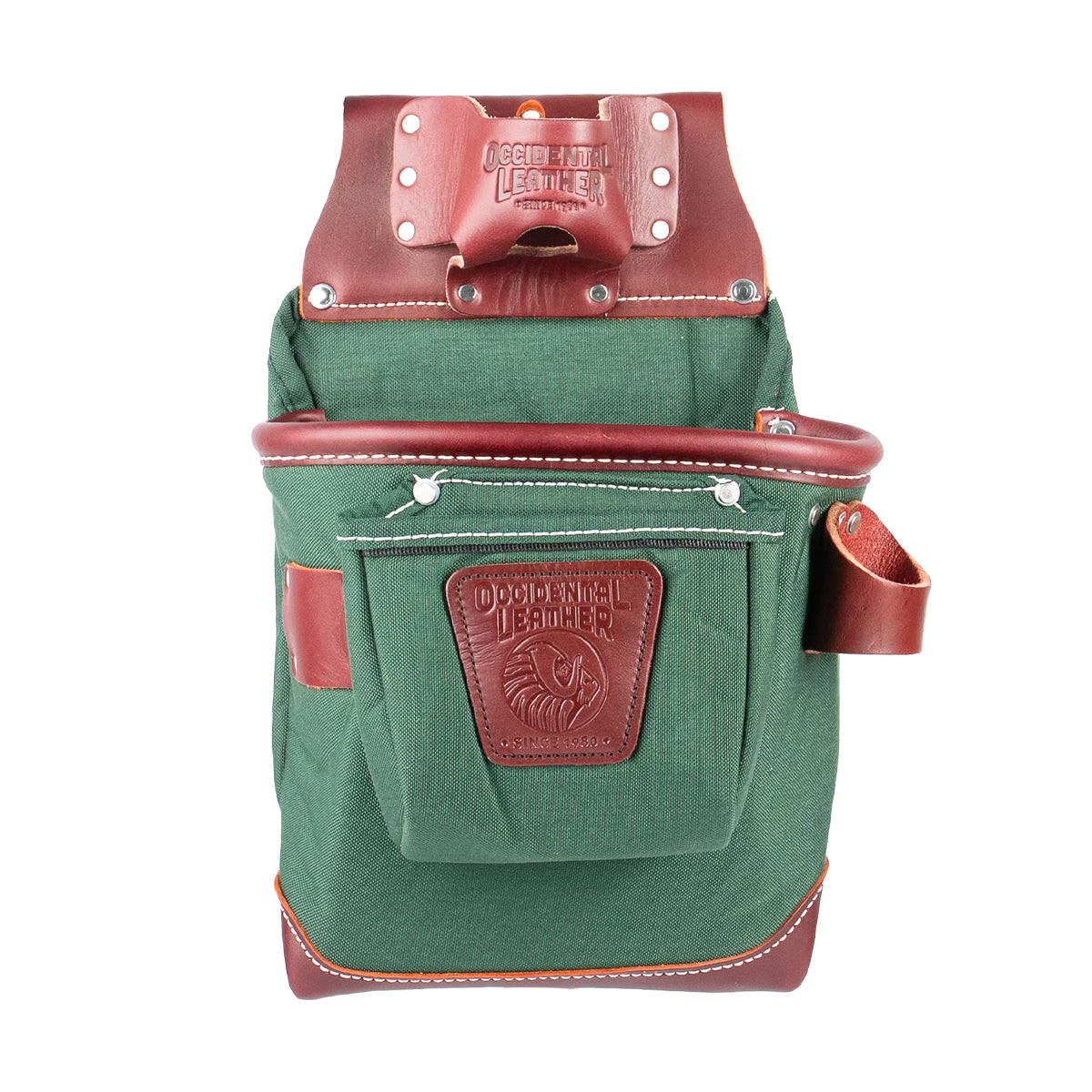
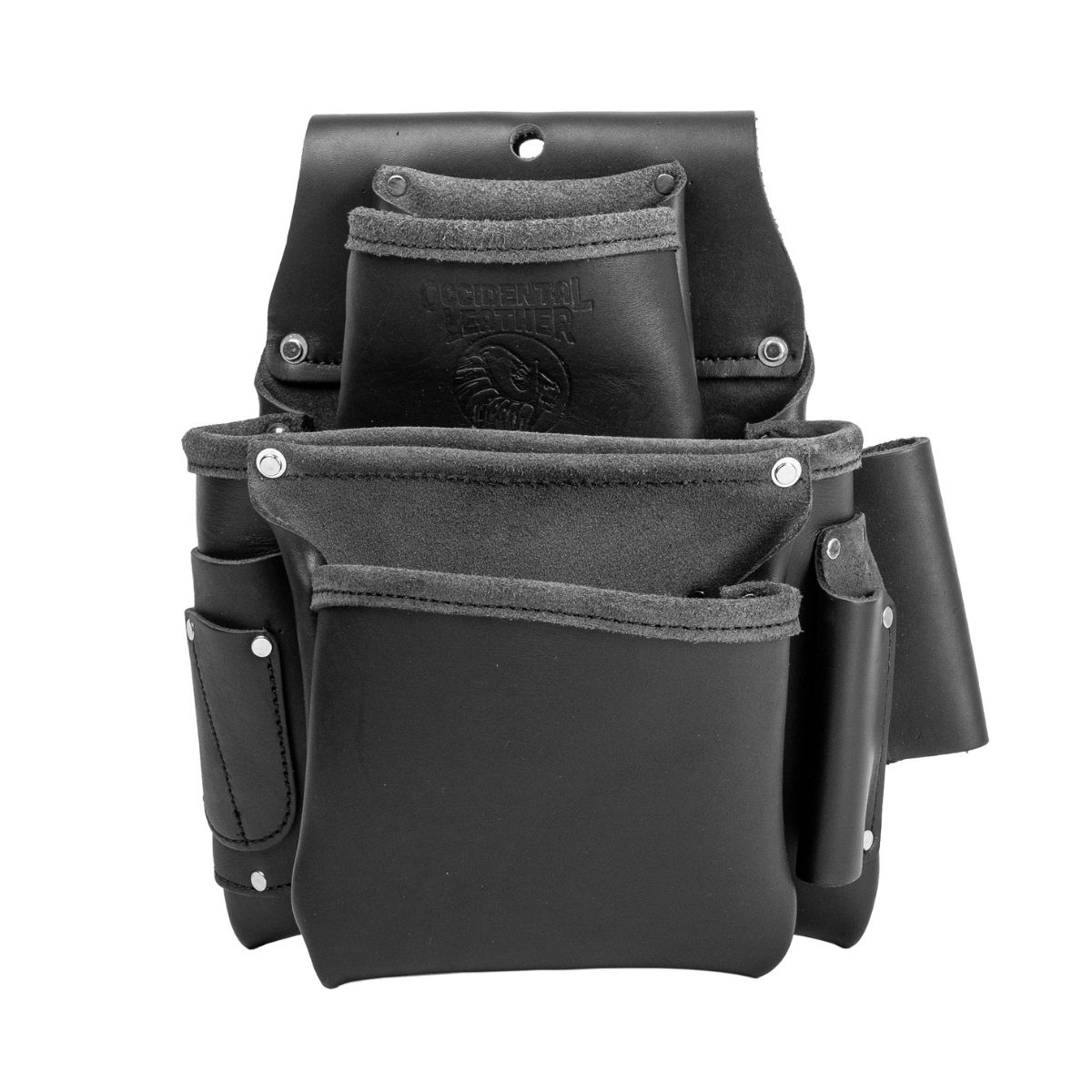
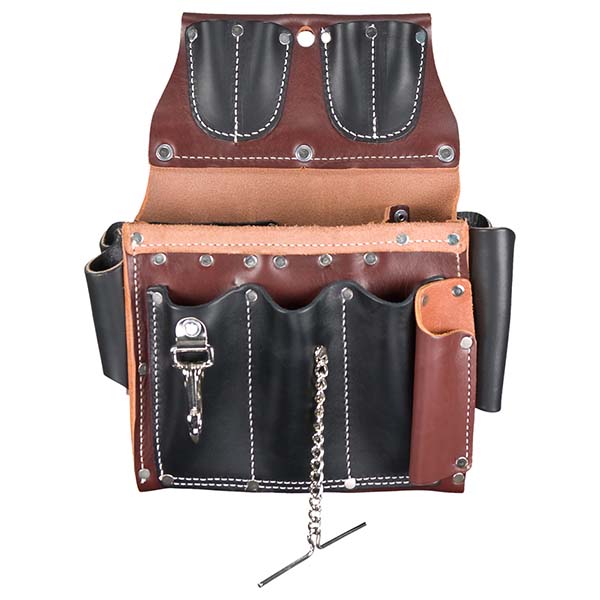
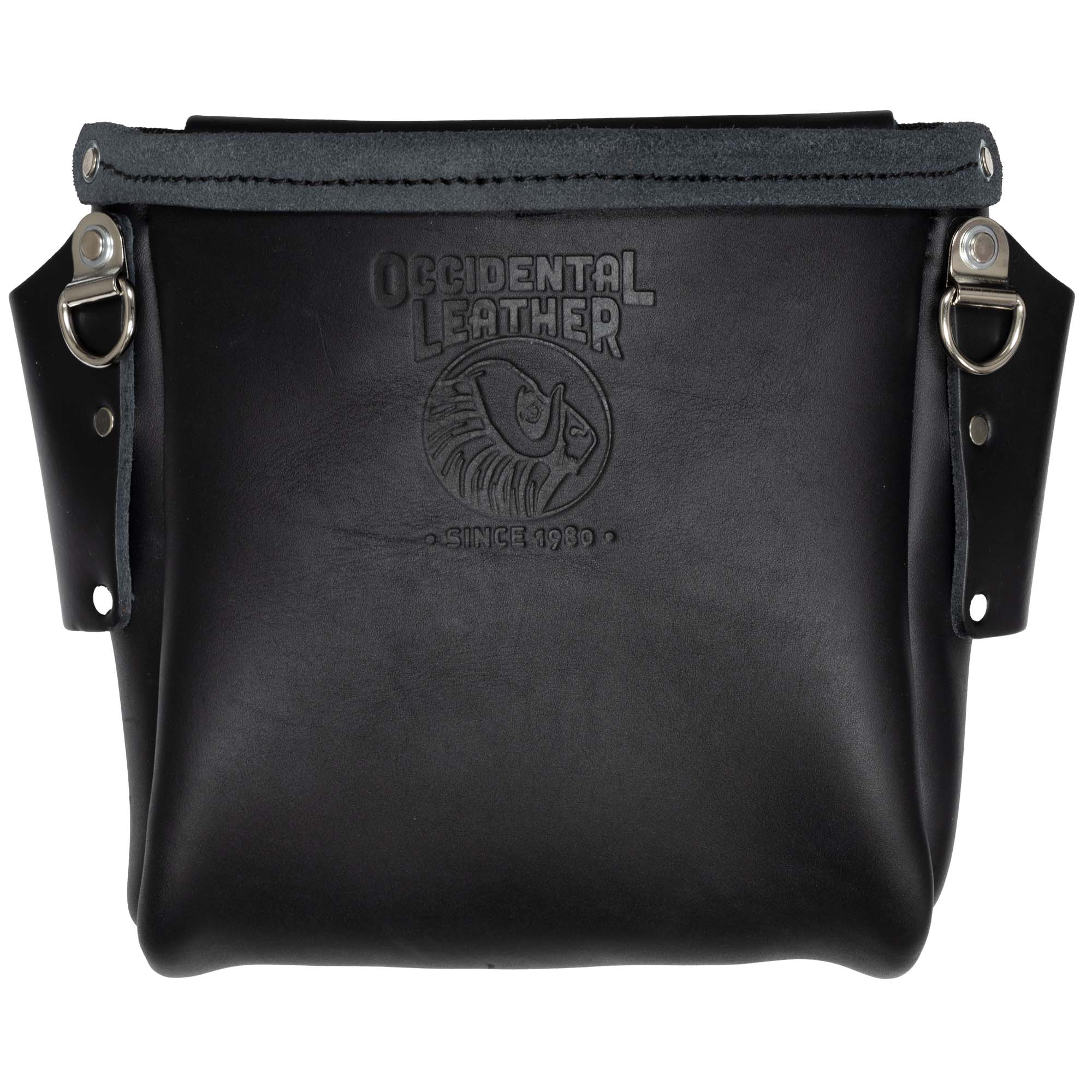
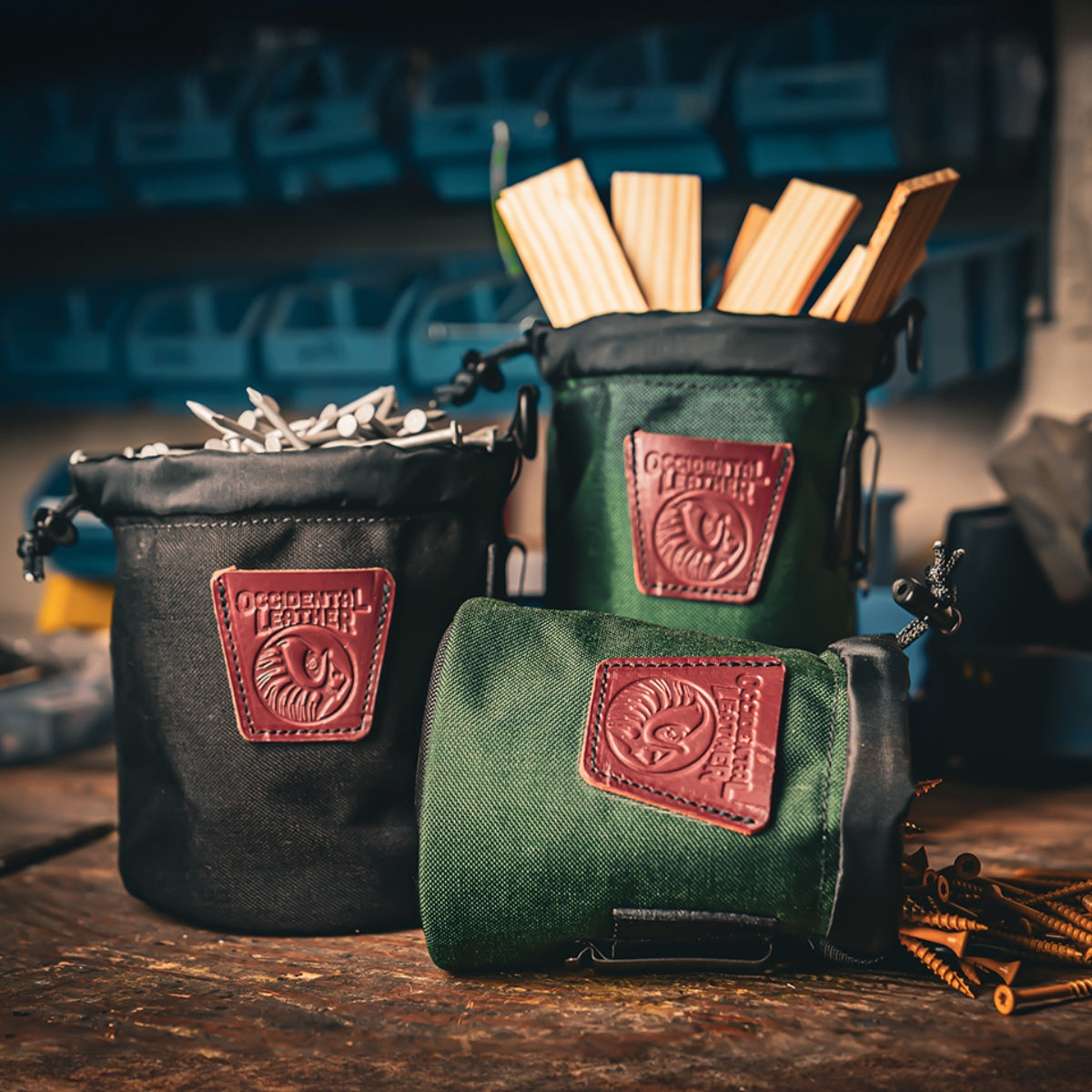
Bags and pouches are where your tools live. Depth, pocket count, and access angle vary significantly between setups. A bag designed for a framer looks nothing like one designed for a finish carpenter, and for good reason.
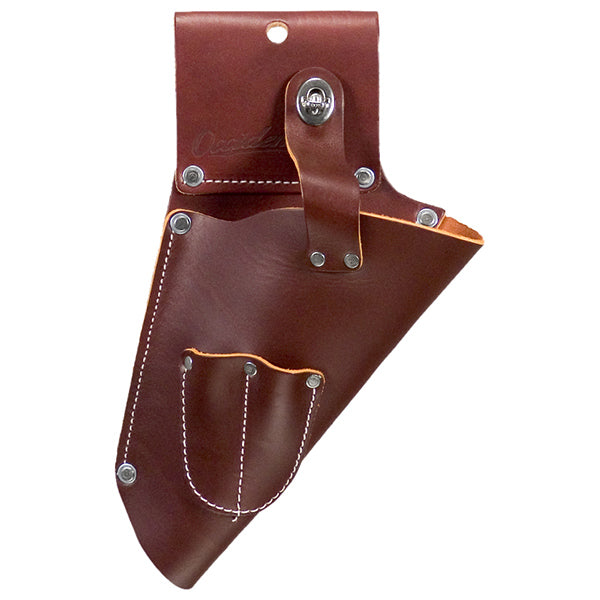
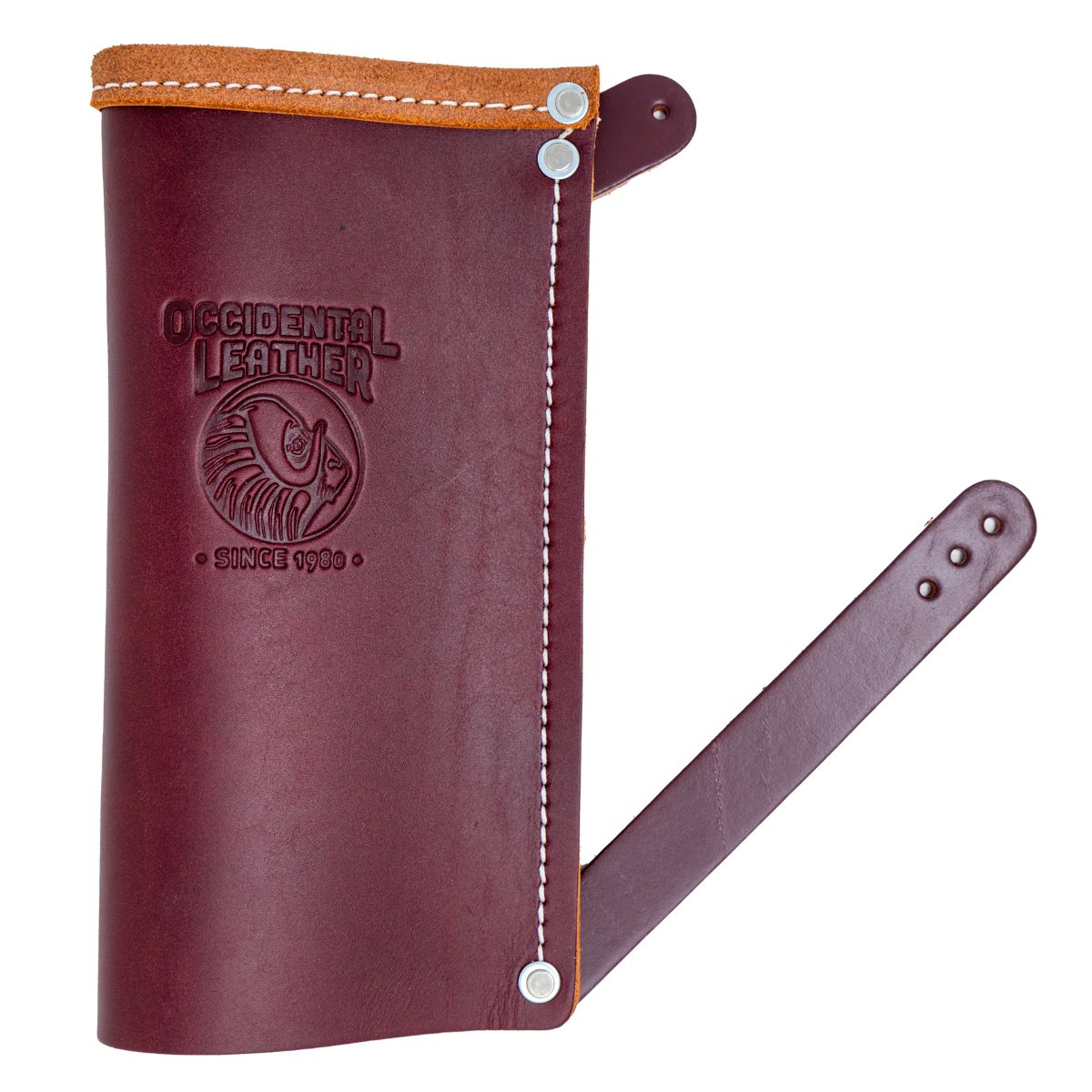
Loops, pockets and holders keep specific tools (hammers, tape measures, speed squares, pliers) in a fixed, accessible position. Good loop placement means you're not fishing for your tape every time. Bad placement means your tools are constantly in the way of each other.
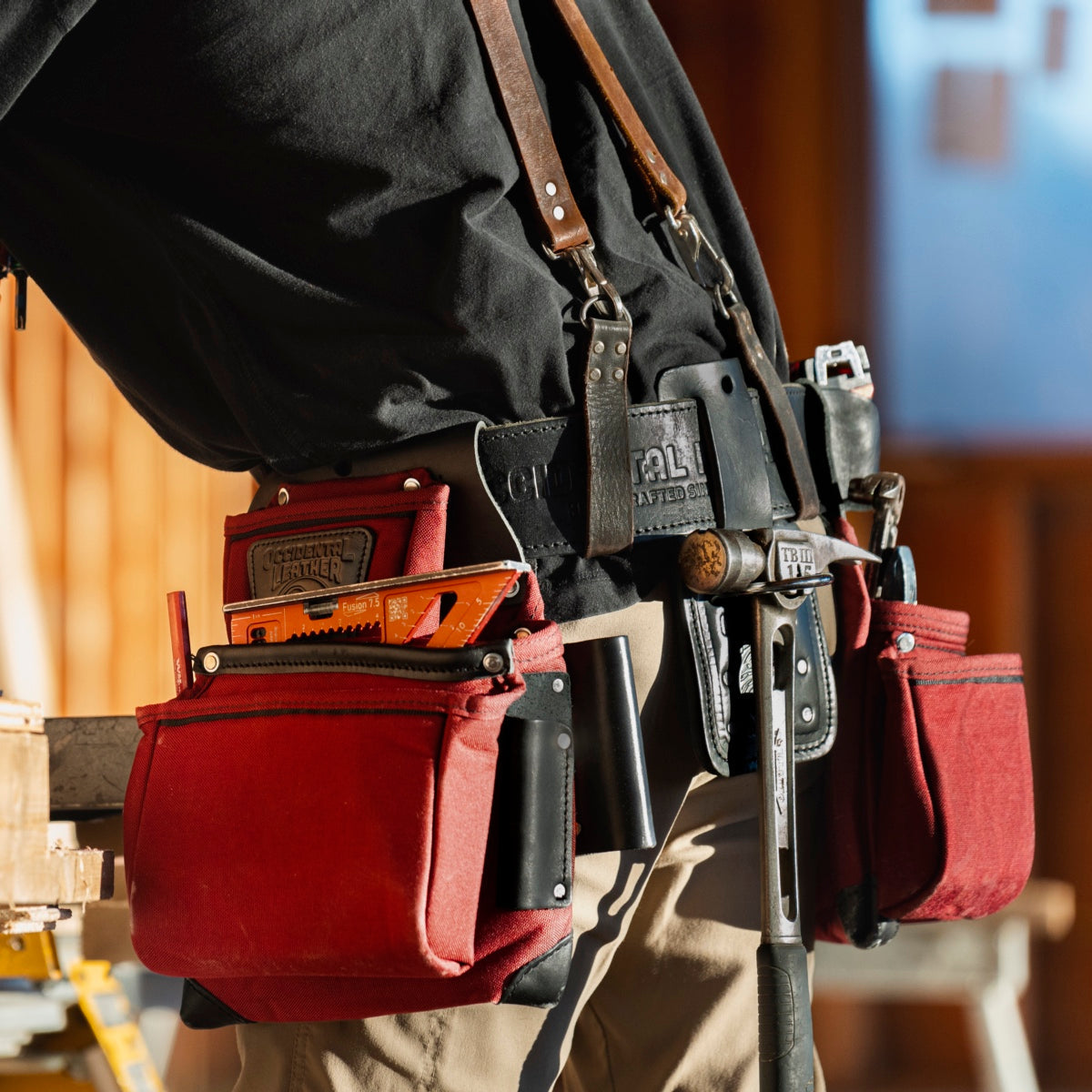
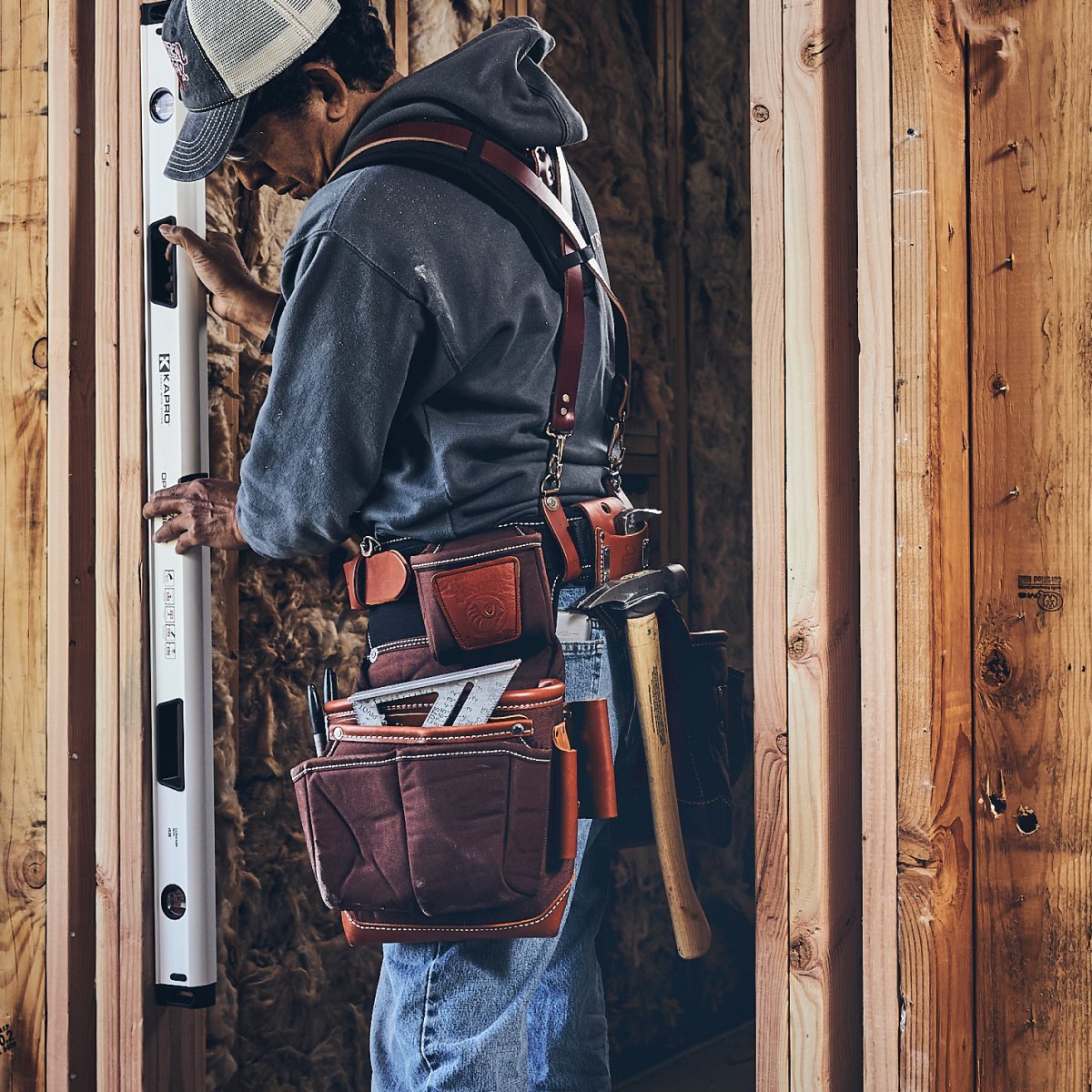
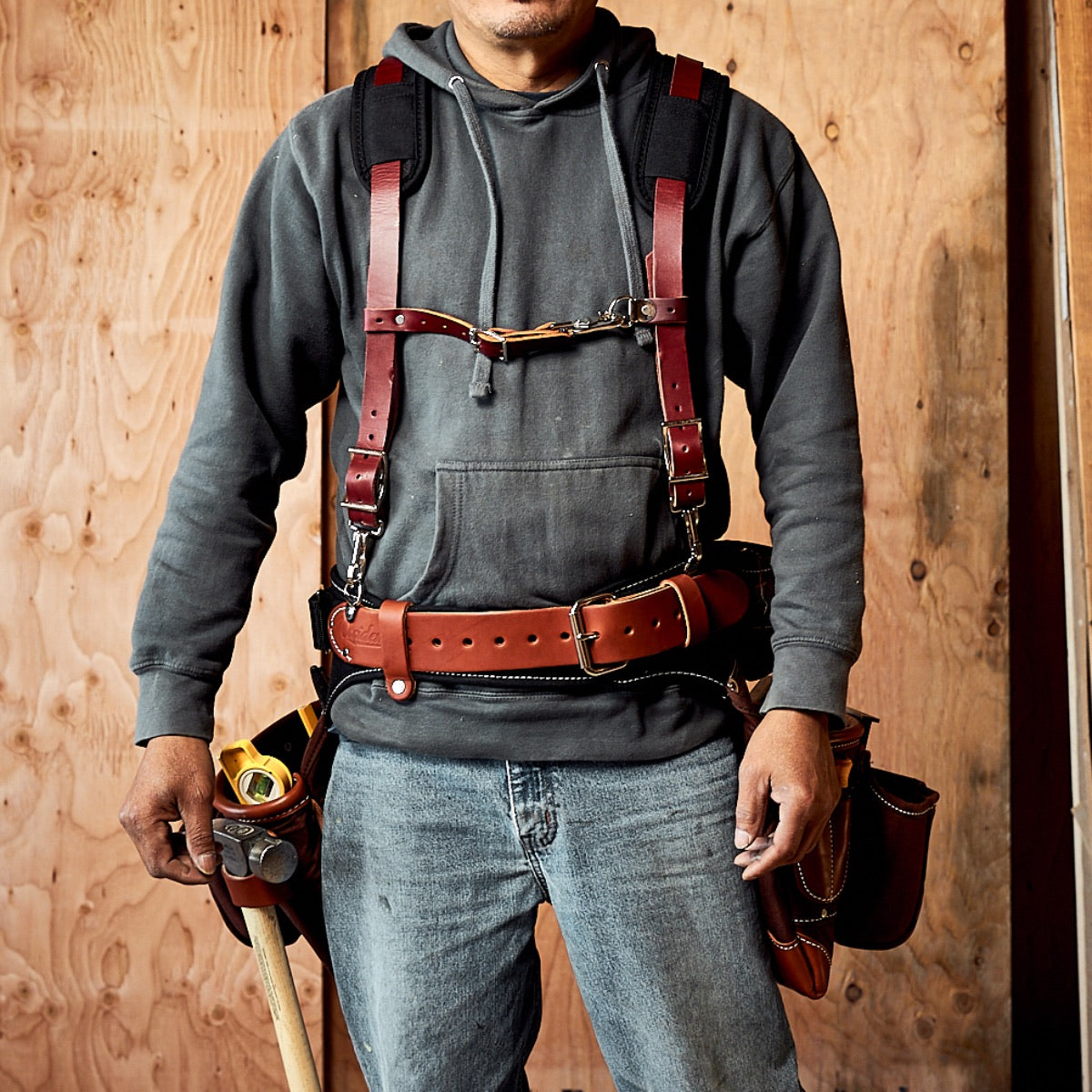
Suspenders connect your belt to your shoulders and redistribute load off your hips and lower back. More on those below.
Understanding these components lets you evaluate any setup on its own merits, not just take someone's word for it.
Getting the Fit Right
This is where it's easy to go wrong.
Your pants size is not a reliable starting point. Clothing manufacturers use stretch materials and vanity sizing, so a 36-inch skinny jean fits a very different person than a 36-inch relaxed fit. A tool belt doesn't work that way. It will form to you over time, but it is not stretchy and needs to be sized correctly from the start.
A few things to consider before you order:
- Your rig goes on over everything you're wearing: pants, regular belt, shirt, hoodie. Account for that bulk.
- Tool belt sizes typically run 3 to 7 inches larger than your waist size. Carry it high on the waist and you'll land closer to 3 inches over. Wear it low on the hips, closer to 7.
- Seasons matter. A belt sized for summer work over a t-shirt may bind over a heavy base layer and jacket in January. Size for how you work.
Use the Occidental Leather Belt Sizing Guide to dial it in before you order. Five minutes now saves a return shipment later.
Dominant Hand and Bag Placement
Most right-handed tradespeople run their primary tools on the right side and fasteners on the left. Left-handed setups reverse that orientation so your dominant hand has natural, unobstructed access to the tools you reach for most.
It's a small detail that makes a big difference over the course of a long day. Fighting the wrong orientation adds up in ways you don't always notice until you're working with the right one.
Occidental offers both configurations. For a deeper look at how hand dominance affects your setup, read our full guide on left and right-handed tool belt configurations.
How Much Are You Carrying?
Load is a decision factor that doesn't get enough attention when people are shopping for a belt.
A light setup with a few key tools sits differently on your body than a fully loaded framing rig. The heavier your carry, the more your belt is working against gravity all day, and the more that load has to go somewhere. For most moderate setups a well-fitted belt handles it. For heavy loads carried over long days, suspenders shift from a comfort option to a practical tool.
Suspenders redistribute weight from your hips and lower back up across your shoulders and frame. That matters at hour two. It matters a lot more at hour eight. The Occidental Leather Stronghold® Suspension System is built to work with our belt systems specifically, sized and configured to carry real loads without riding up or shifting.
If you're on the fence about suspenders, the honest answer is that most people who add them wish they'd done it sooner.
Leather vs. Nylon: The Honest Answer
Both have a place on a jobsite. Both can be built well or built cheap. The real question isn't which material is better, it's which one is better for the way you work.
Leather holds its structure under load, breaks in to your body over time, and holds up to years of daily use. The trade-off is weight and a short break-in period. For most tradespeople wearing a belt every day, it's the proven long-term choice.
Nylon is lighter from day one and requires no break-in. For trades where load isn't the primary concern, or where you're climbing and moving constantly, that weight savings is real. The caveat is build quality: cheaper nylon sags, pockets collapse, and seams fail early. Better nylon, often reinforced or paired with leather where it counts, is a different category entirely.
Whichever direction you go, look past the material and look at the construction. The stitching, the rivets, the bag attachment points, the hardware. Build quality decides more than material does.
For a full breakdown of how the two compare on durability, comfort, and organization, read our complete leather vs. nylon guide.
Frequently Asked Questions
What is the most important factor when choosing a tool belt?
Fit. A belt that doesn't fit correctly will shift under load, strain your lower back, and slow you down regardless of how well it's built. Start with your hip measurement, not your pant size.
How do I measure for a tool belt?
Measure your hip circumference at the point where the belt will actually ride, not at your waist. Use the Occidental Leather Belt Sizing Guide for specific sizing instructions.
What tool belt setup is best for electricians?
Electricians generally benefit from a lighter, lower-profile setup with organized compartments and minimal bulk. Tool vests and compact belt systems work well for trades that require ladder work or movement through confined spaces.
When do I need suspenders with my tool belt?
When you're carrying a heavy load for most of the day. Suspenders redistribute weight off your hips and lower back, reduce fatigue, and keep your belt from shifting as the load increases throughout the day.
Are leather tool belts worth the cost?
For tradespeople who wear a belt every working day, yes. Leather forms to your body over time, holds its structure under load, and outlasts nylon in long-term durability. The upfront cost is higher but the cost-per-year tends to be lower.
Does it matter if I'm left-handed?
Yes. Tool belt configurations are set up for dominant-hand access. Running the wrong orientation means fighting your rig all day. Left-handed setups are available and worth getting right from the start.
Find Your Setup
Shop trade-specific tool belt sets → Find your belt size → Explore suspender systems
Not sure where to start? Contact our team or find an authorized dealer near you to try the gear before you commit.
Share