





Left- and Right-Handed Tool Belts: Why Hand-Specific Design Matters
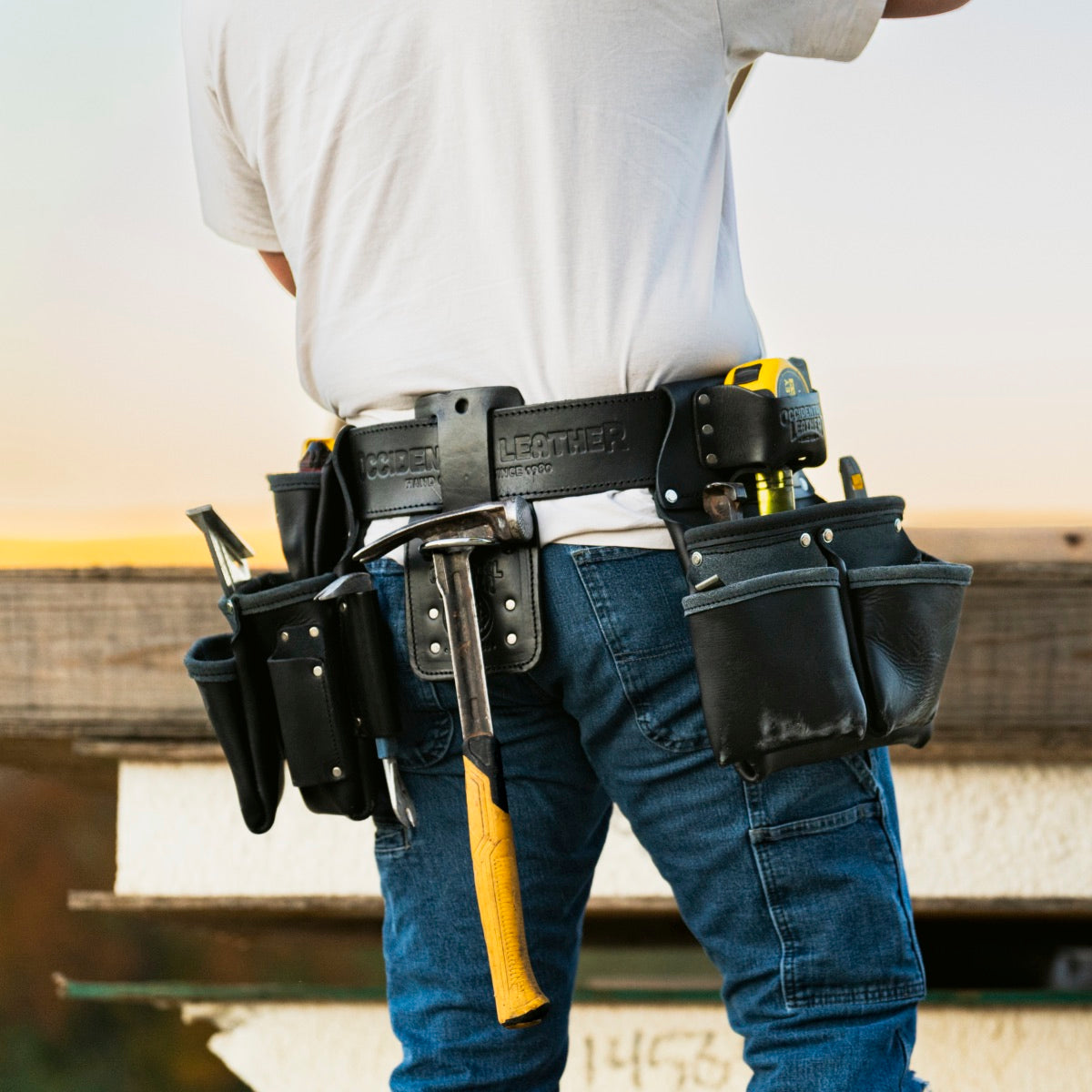
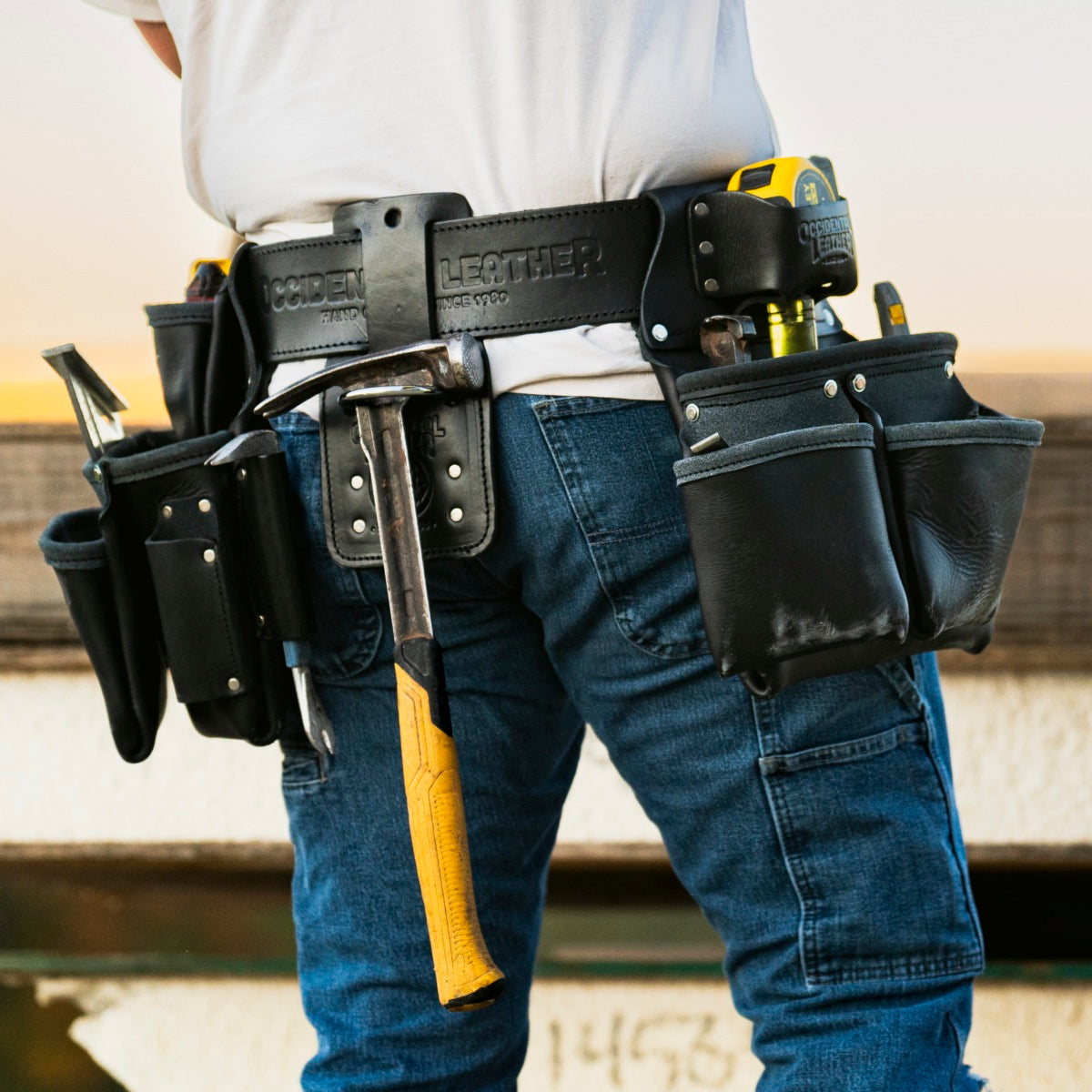
Hand-specific tool belt design means your gear is configured for your dominant hand: tool bag on the side you reach with most, fastener bag on the support side. It's a simple principle, but it has a real impact on how efficiently you work and how your body holds up over a long work day, and a long career.
Most belts on the market ignore this entirely. Here's why that's a problem, and how to get your setup right.
How you actually move on the job
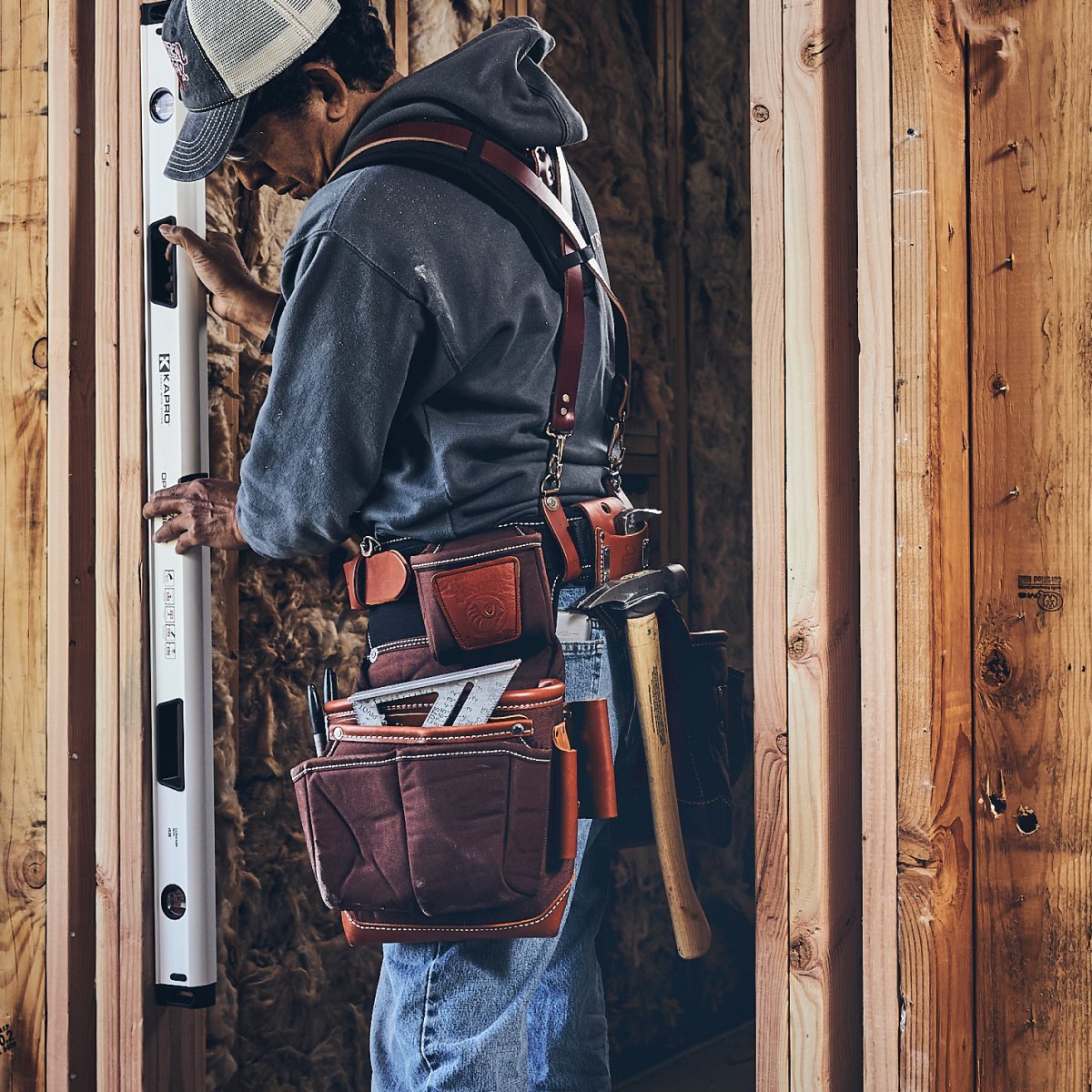
On the jobsite, speed, efficiency, and muscle memory are everything. Your dominant hand handles high-frequency tools: hammer, utility knife, chisels, pencils. Your non-dominant hand supports with fasteners, nail pulls, and adjustments.
When your belt is configured for the wrong hand, you're reaching across your body for high-frequency tools. Over the course of a day that's hundreds of extra movements. Over a career, it's a meaningful contributor to shoulder and back strain.
Generic belts ignore this logic, forcing you to adapt your motion to the gear. That leads to slower work and greater fatigue.
A properly configured belt eliminates that cross-body reach. Your most-used tools are exactly where your hands need them to be.
What's actually different in a hand-specific setup
The core difference is simple:
| Dominant side | Support side | |
|---|---|---|
| Right-handed | Tool bag (right) | Fastener bag (left) |
| Left-handed | Tool bag (left) | Fastener bag (right) |
-
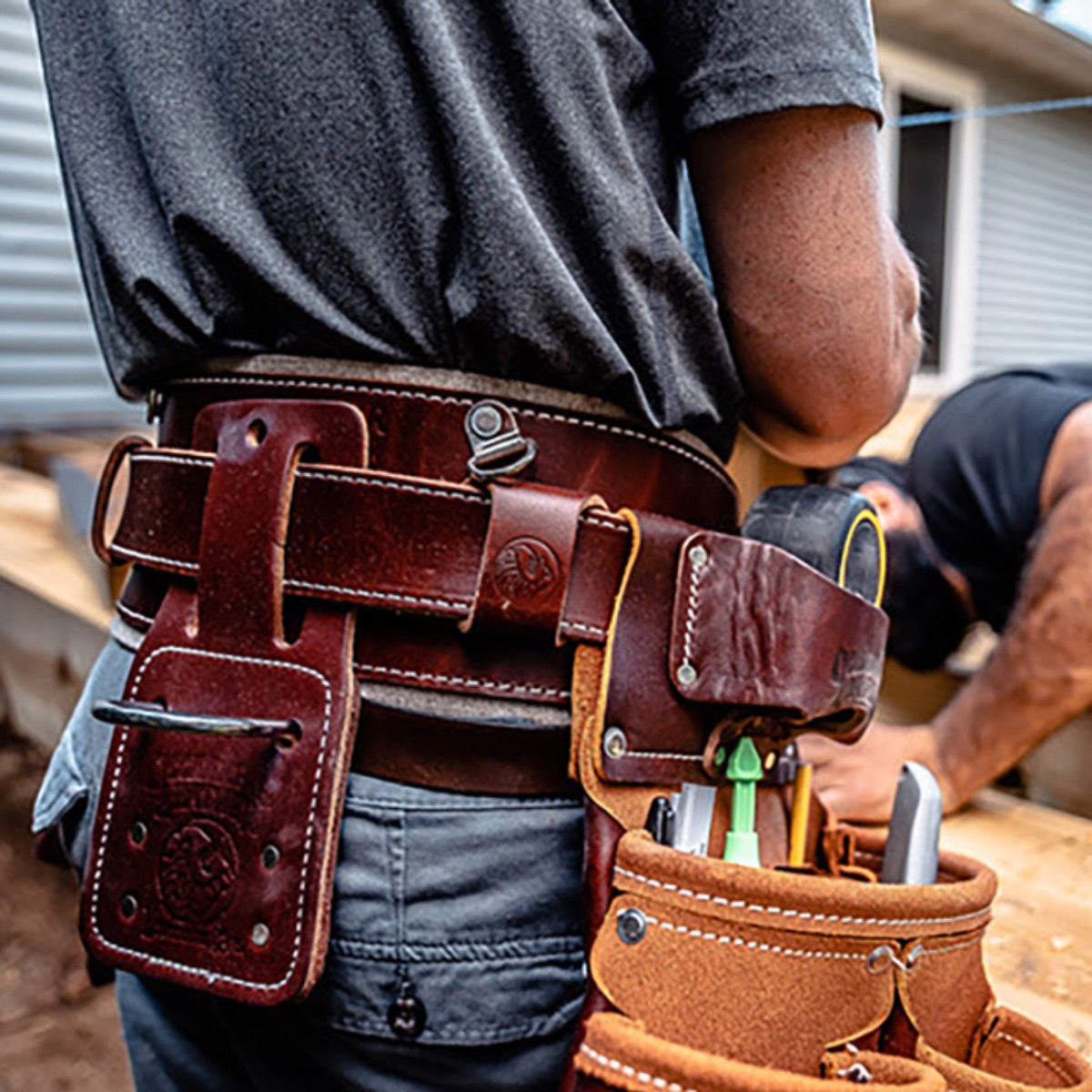
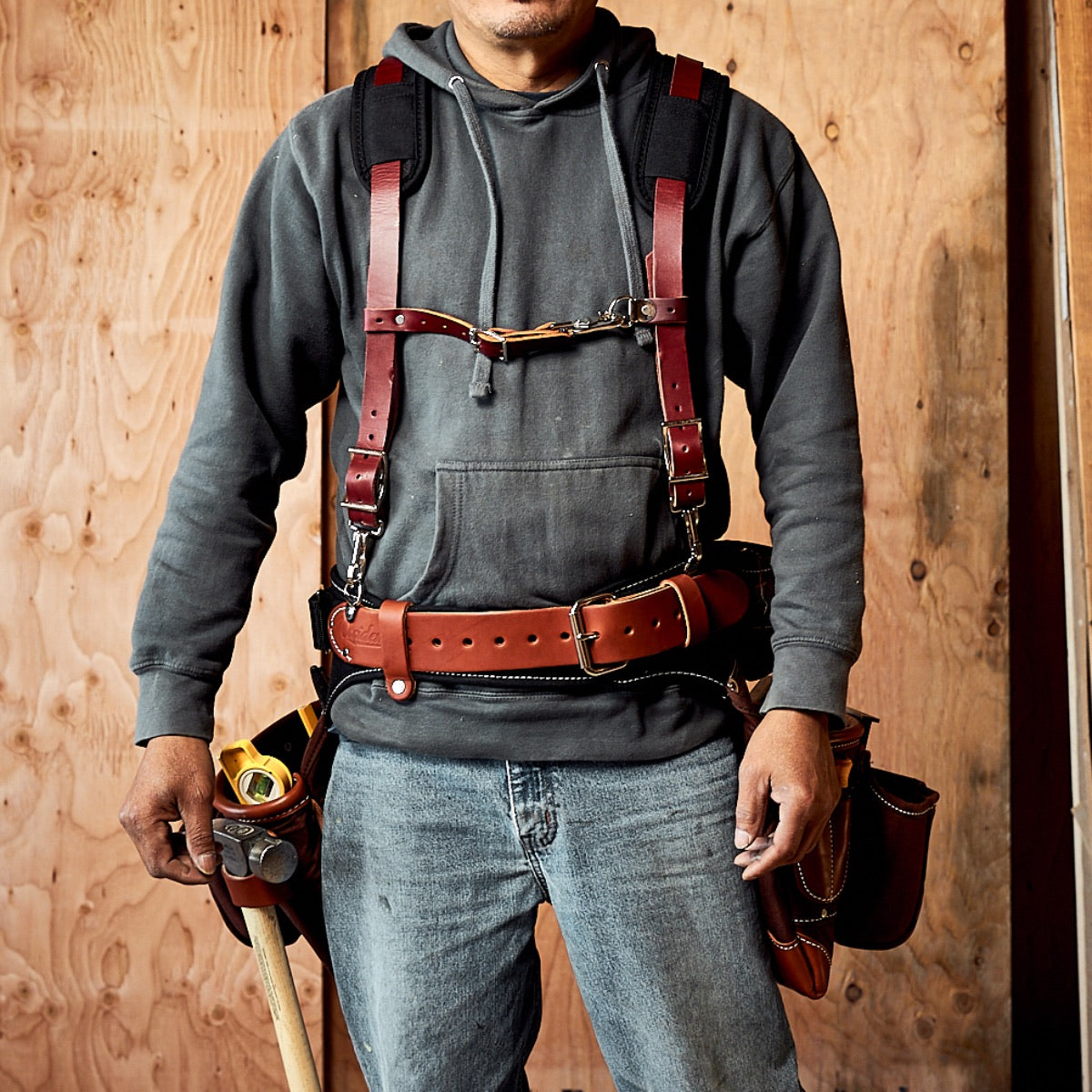
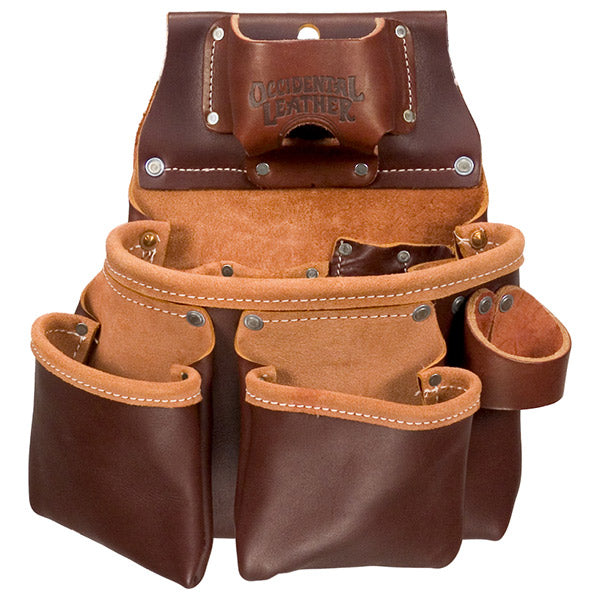
Tool Bag (dominant side):
Worn on the dominant side (right for righties, left for lefties). Holds tools like hammer, pencil, utility knife, chisel. -
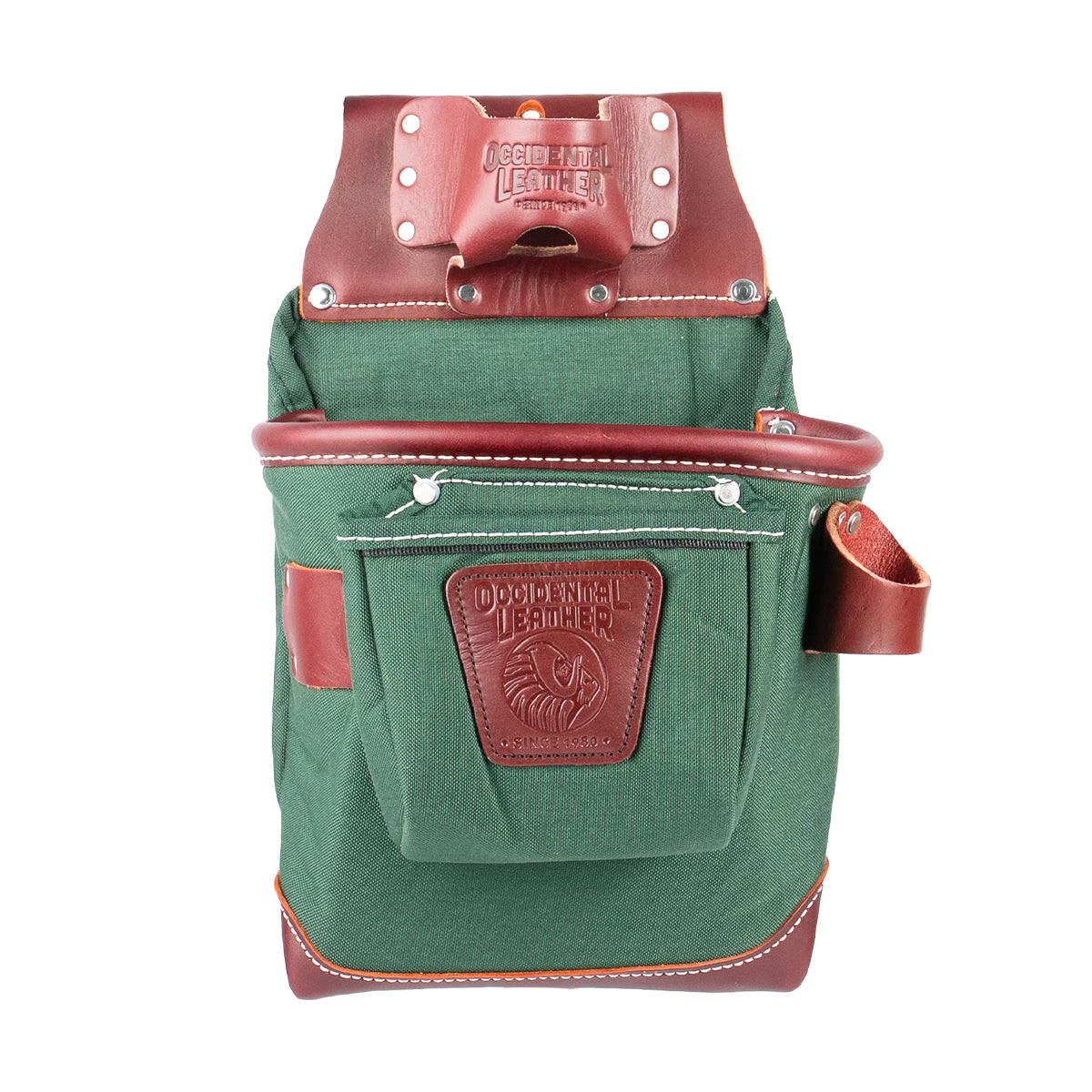
Fastener Bag (non-dominant side):
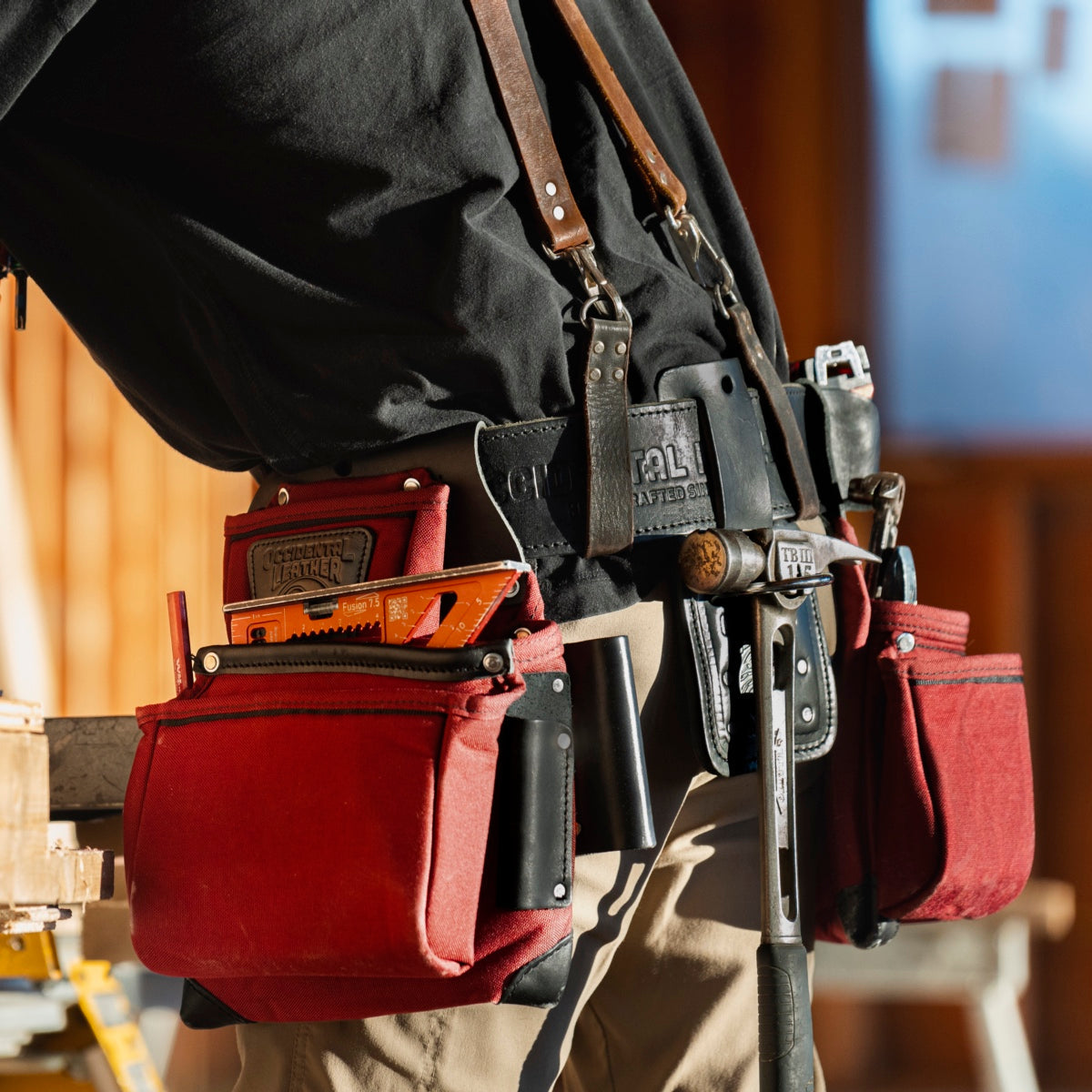
Worn on the opposite side. Holds tools used for support tasks: nails, square, driver bits, cat's paw, etc.
The logic isn't complicated but it requires a belt system that's actually built around it, with every pocket, loop, and holder positioned accordingly.
A note on left-handed options
Left-handed tradespeople have long dealt with gear designed as an afterthought — a right-handed belt flipped over, or a generic "ambidextrous" setup that works well for neither hand.
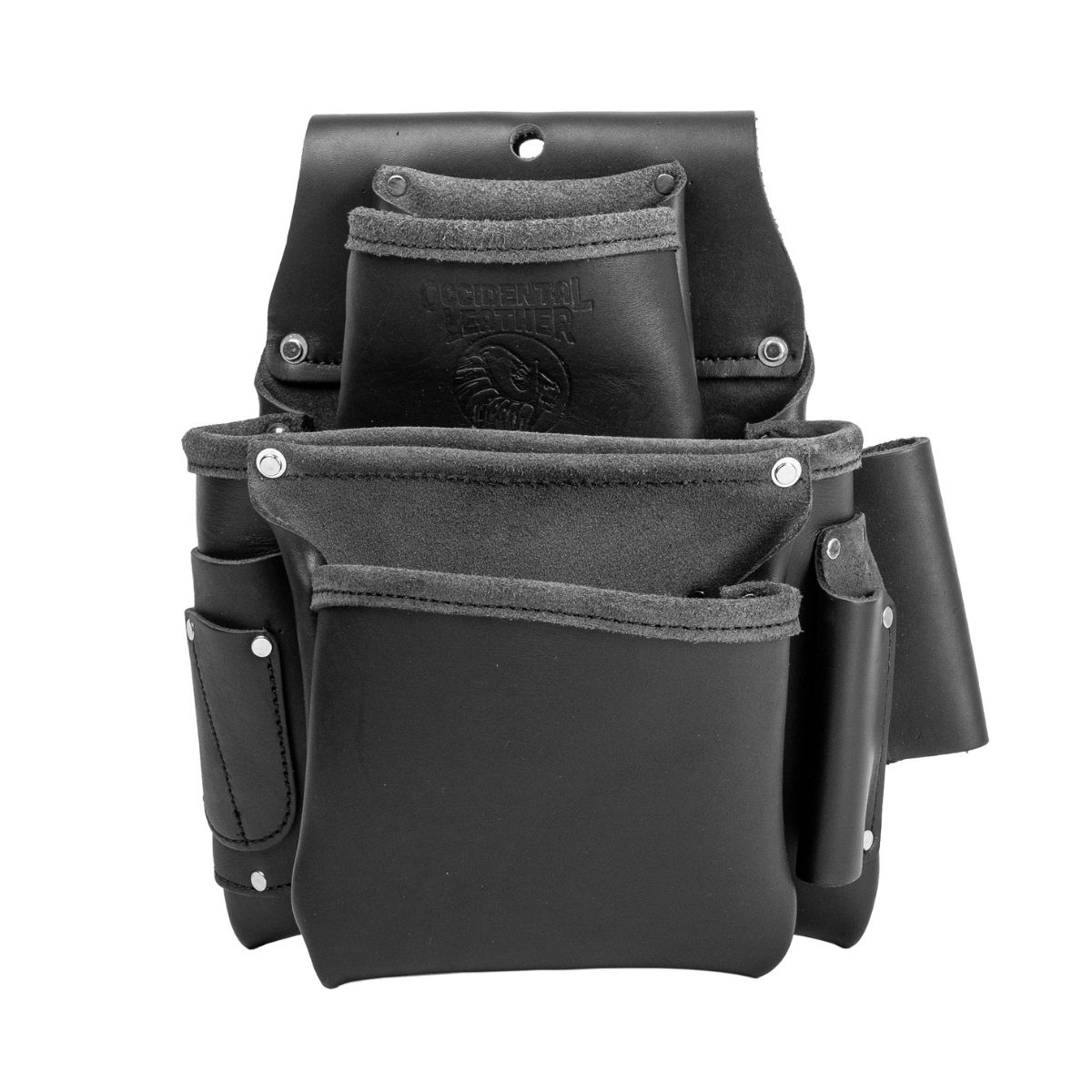
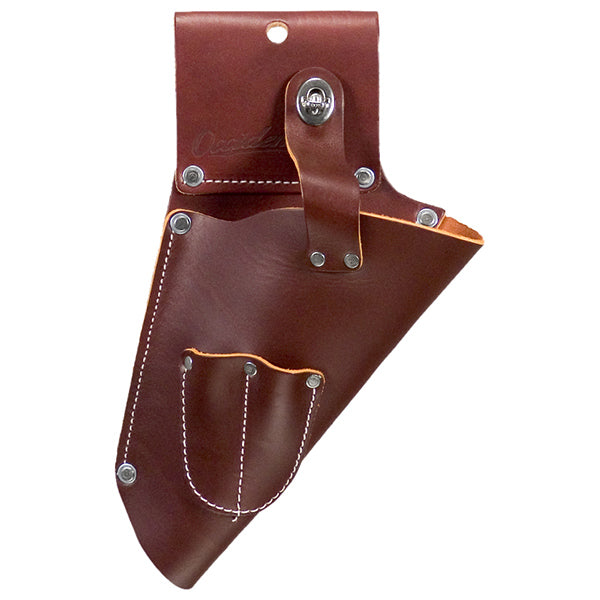
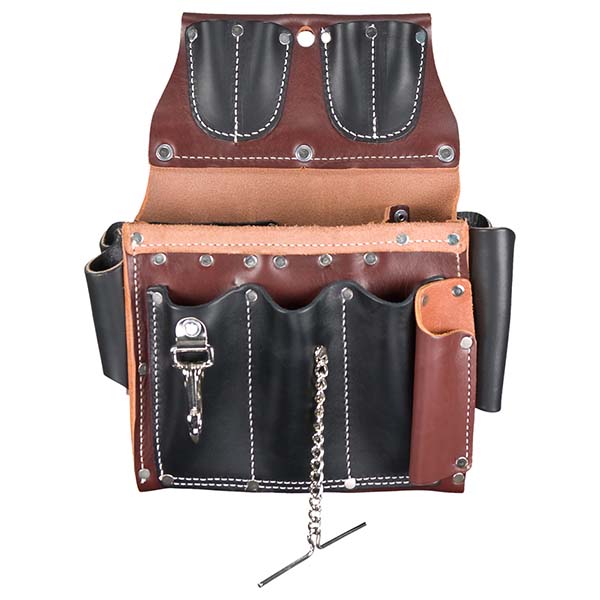
Occidental Leather's left-hand configurations are mirror-image builds, not conversions. Every pocket, loop, and tool holder is positioned for easy, natural left-hand access. The FatLip™ Series, Professional Framer Sets, and most of our most popular carry systems are available in left-hand versions, built to the same standard as their right-hand counterparts.
If you've been making do with a right-configured belt because options were limited, it's worth reconsidering.
How to choose your configuration
Choosing the right setup means understanding how you work:
- Ask yourself, which hand reaches for your hammer first? That's your dominant hand for belt purposes — not necessarily your writing hand, though for most people they're the same. For repetitive, high-speed tasks on the job, muscle memory takes over, and that's the hand your tool bag should be on.
- If you work ambidextrously depending on the task, go with the hand you use for nailing and cutting. Those are your highest-frequency reaches.
-
From there, use our Sizing Guides to complete your ideal setup.
Frequently asked questions
I'm left-handed. Do I actually need a different setup?
A left-handed tool belt is configured so the main tool bag sits on your left side, giving your dominant left hand direct access to high-frequency tools without reaching across your body. Every pocket and loop is positioned for natural left-hand reach.
What if I'm not sure which hand is my dominant for tool belt purposes?
Ask which hand you naturally reach with for your hammer or utility knife. Your tool bag goes on that side. If you're genuinely ambidextrous, go with the hand you use for nailing and repetitive cutting.
I've been using a right-handed belt for years. Is it worth switching now?
It's common. Many tradespeople adapt to a mismatched belt without realizing it. Switching to a correctly configured setup can feel slightly unfamiliar for the first day or two as muscle memory adjusts, but most people notice the difference in comfort and reach speed within a week.
Are all Occidental Leather belts available in left-handed versions?
Most Occidental Leather carry systems are available in left-hand configurations — purpose-built mirror-image versions, not adapted right-hand belts. Browse the full Left-Handed Tool Belt and Gear Collection to see everything made for lefties, and look for the left-hand hammer icon throughout the site. It marks every product built for left-handed tradespeople.

I only wear a belt a few hours a week. Does any of this apply to me?
Less so. Hand-specific configuration delivers the most benefit when you're wearing a belt for multiple hours a day over time. For occasional use, a quality general-purpose setup will serve you fine.
Ready to get your setup right?
Browse our Left-Handed Tool Belt Sets & Gear Collection or explore the full line of Occidental Leather tool carry solutions. Whether you're left- or right-handed, there's a setup built for how you work.
Share