






Tool Belt Tips: How to Set Up Your Tool Belt For Better Workflow
Setting up a tool belt well means organizing tools by frequency of use, balancing weight across both sides, and keeping your layout consistent enough to build muscle memory.
A tool belt shouldn’t feel like a junk drawer strapped to your hips.
If you’re digging through pockets, shifting tools around, dropping fasteners, or carrying things you never use, your setup is working against you.
A better setup helps you move faster, stay organized, and cut wasted motion all day.
The goal is simple: every tool should have a reason, and every pocket should become a home.
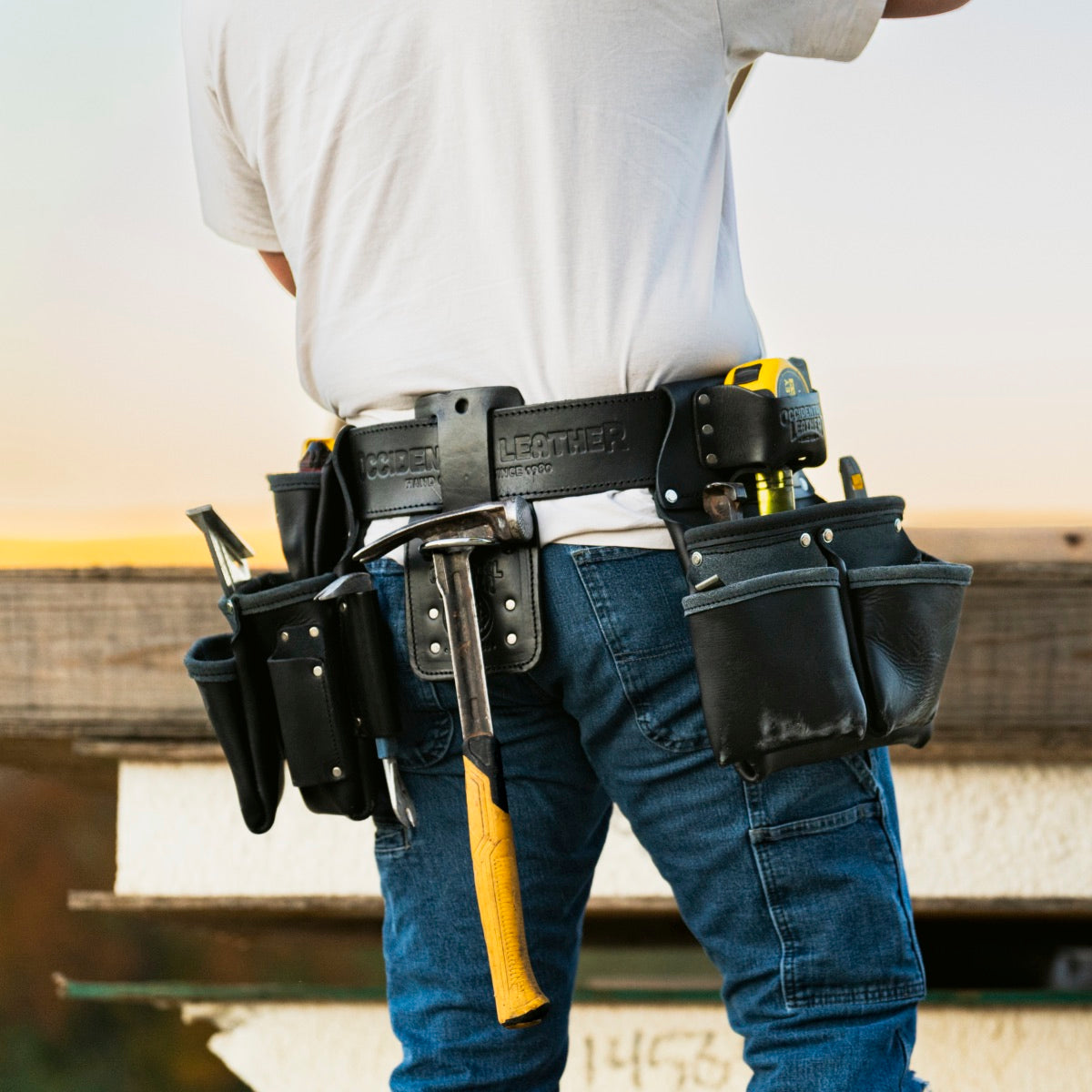
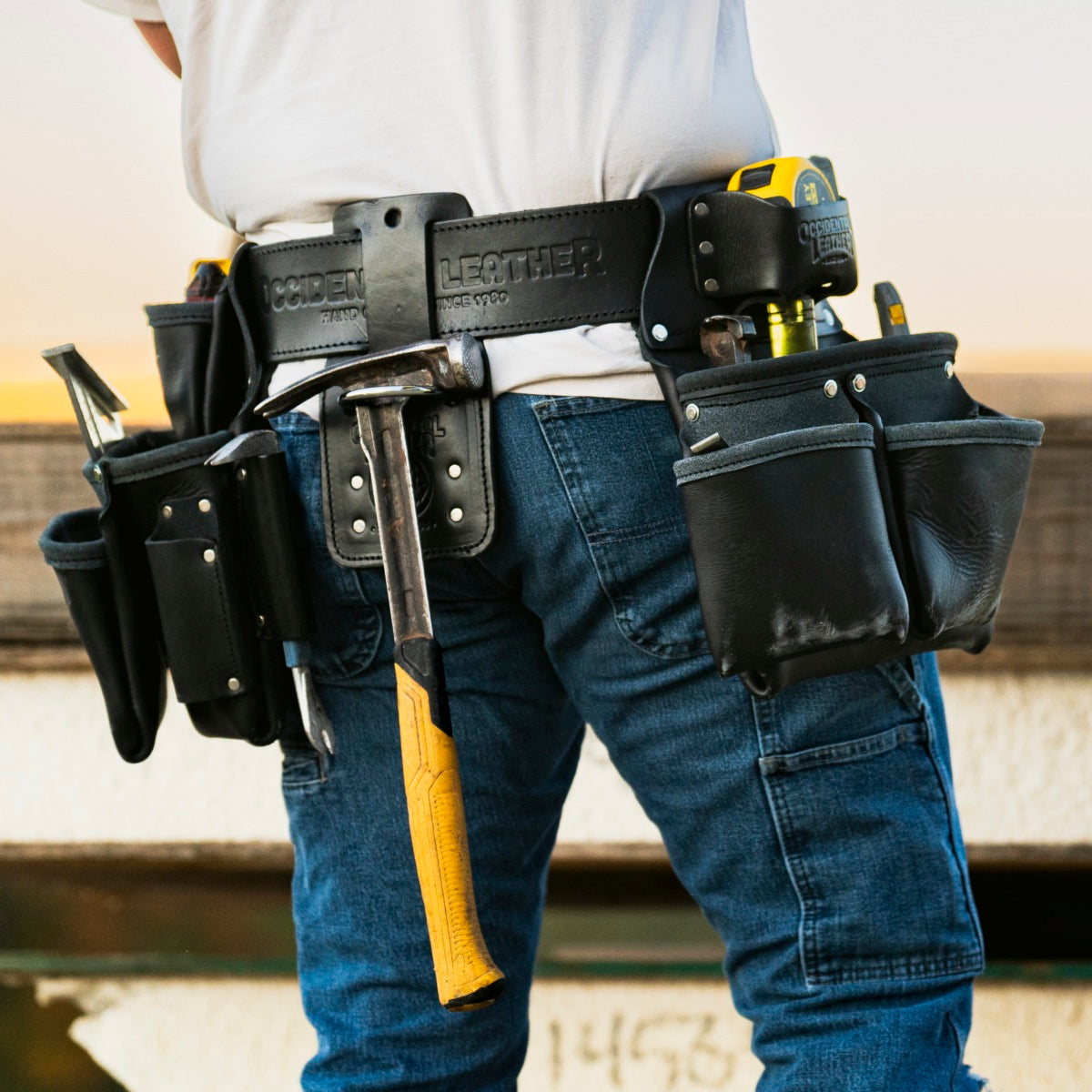
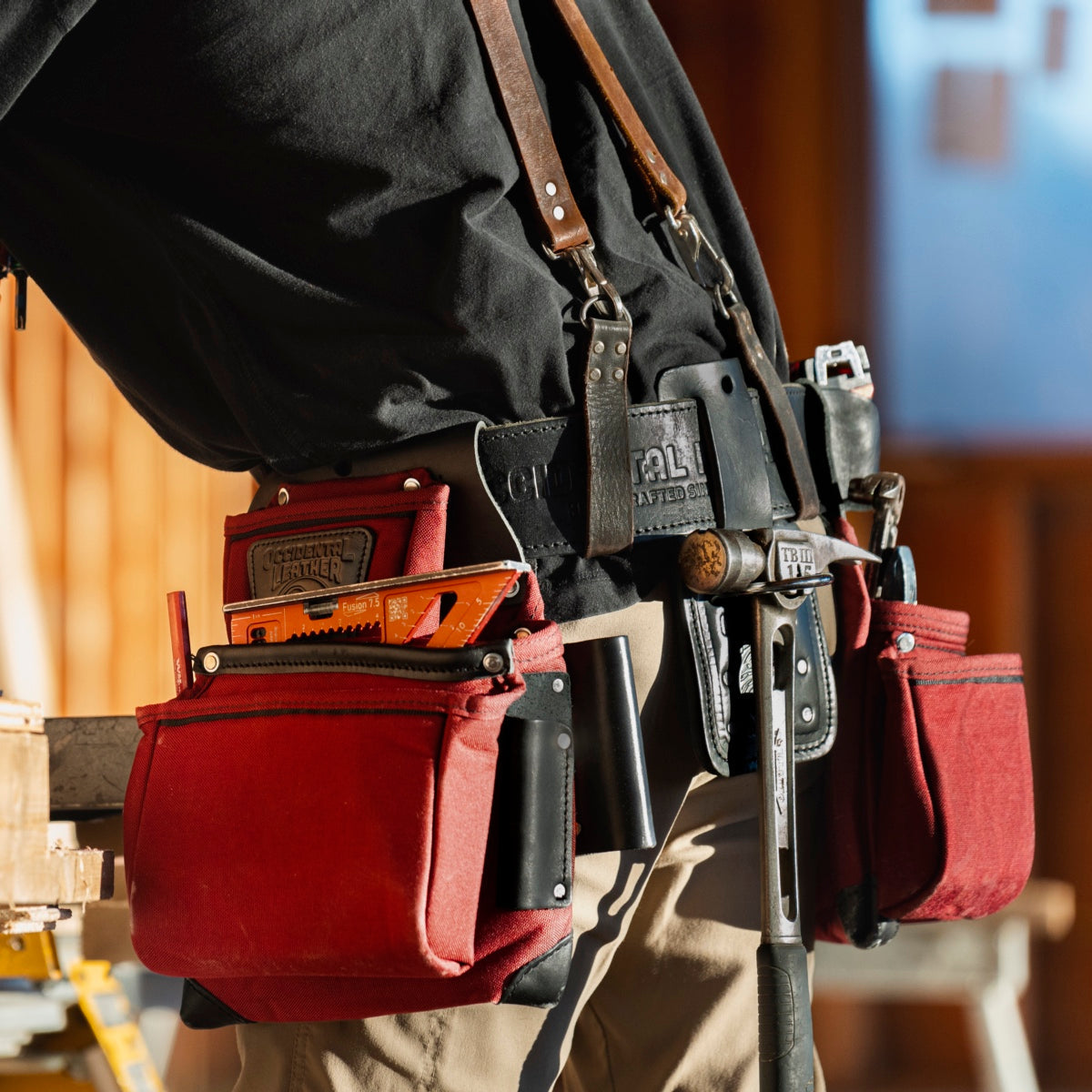
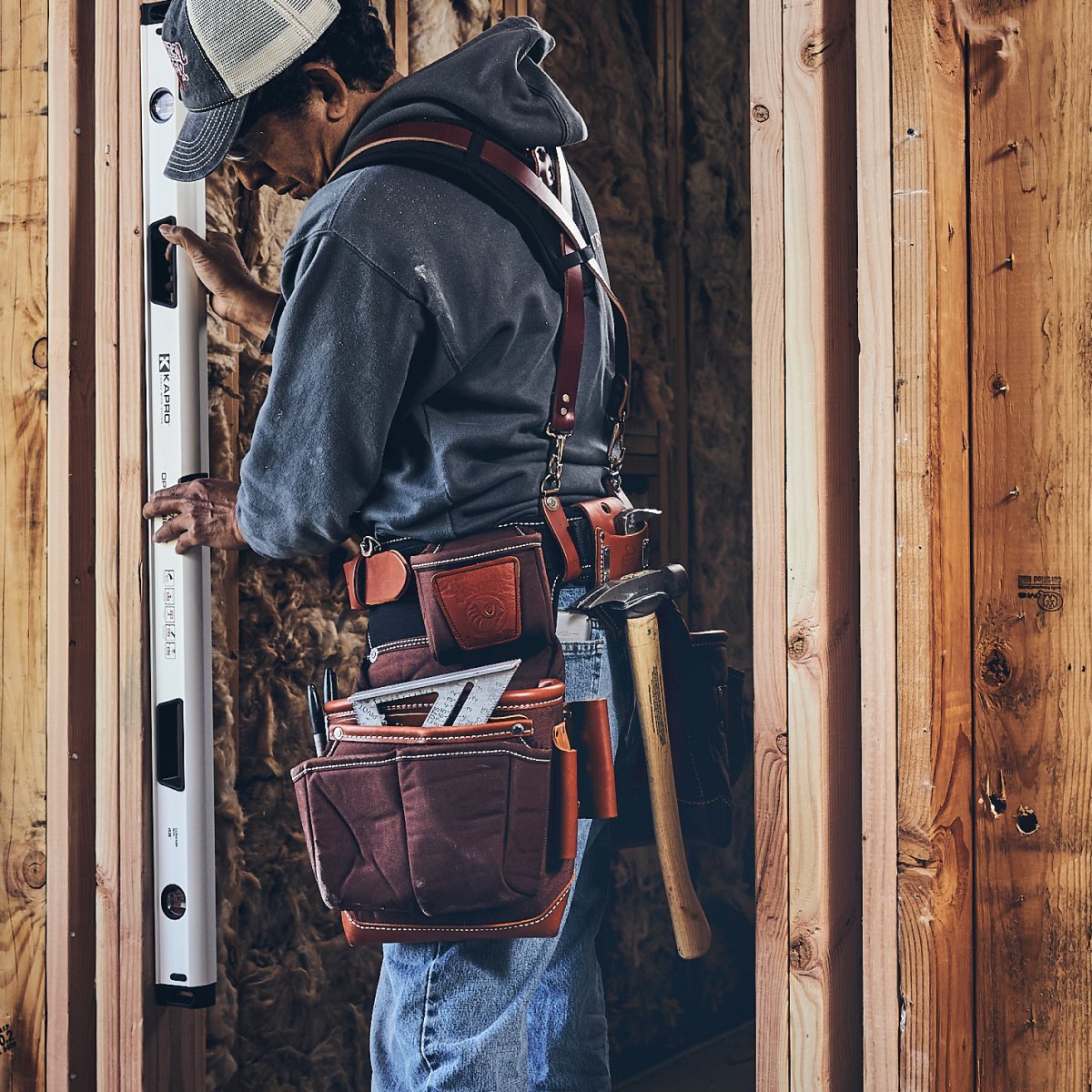
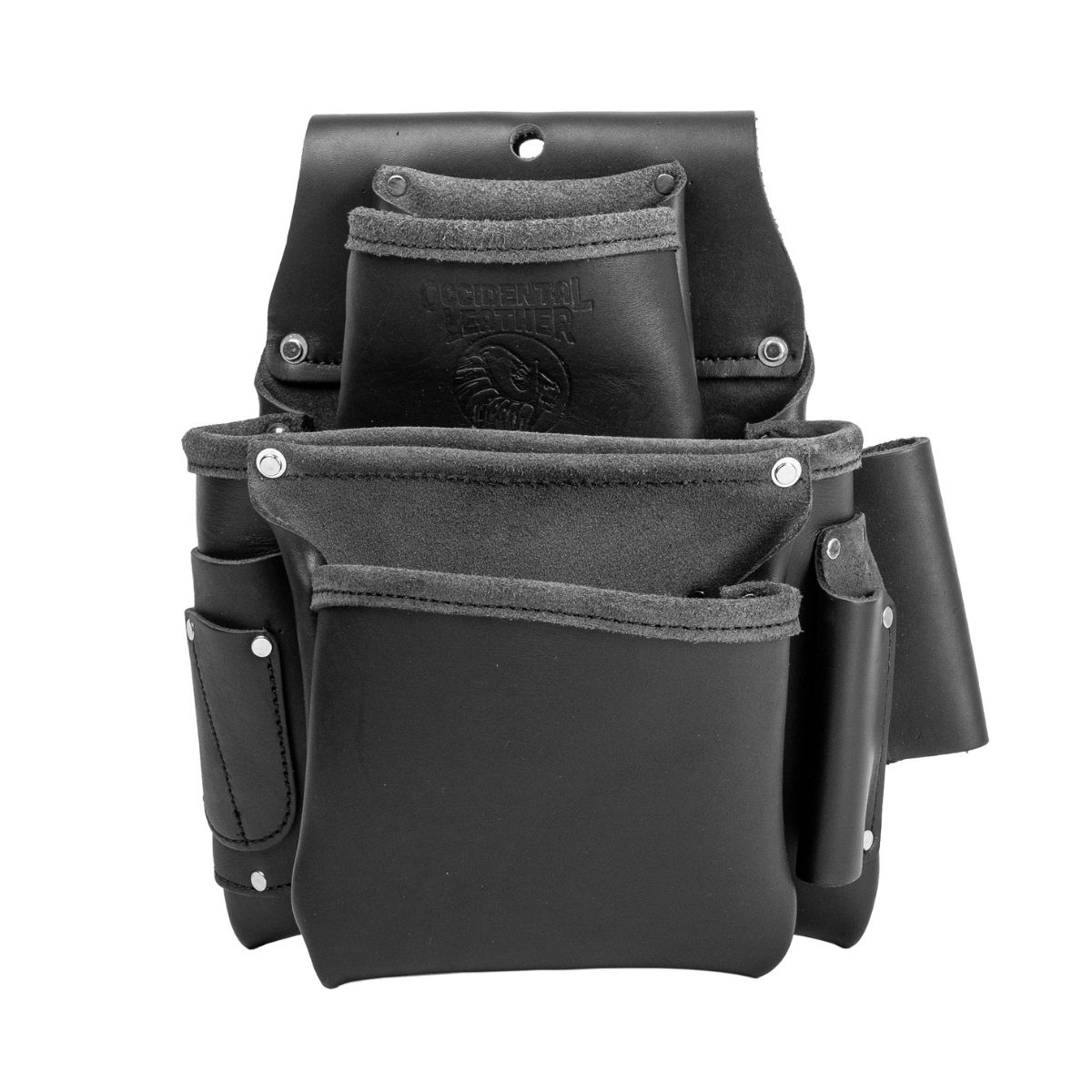
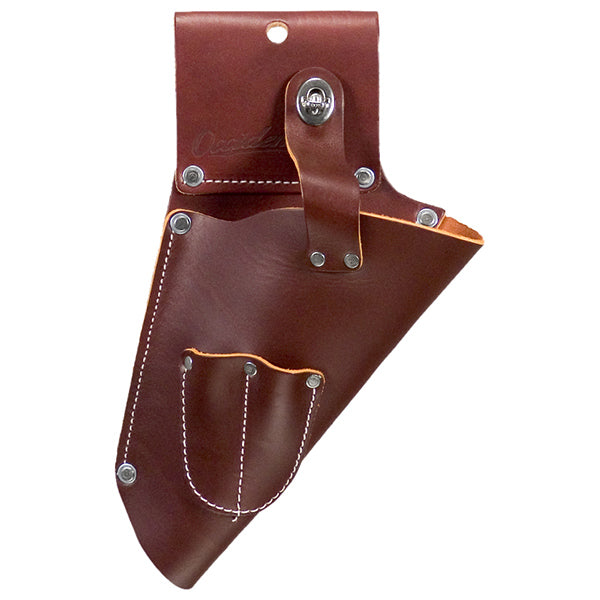
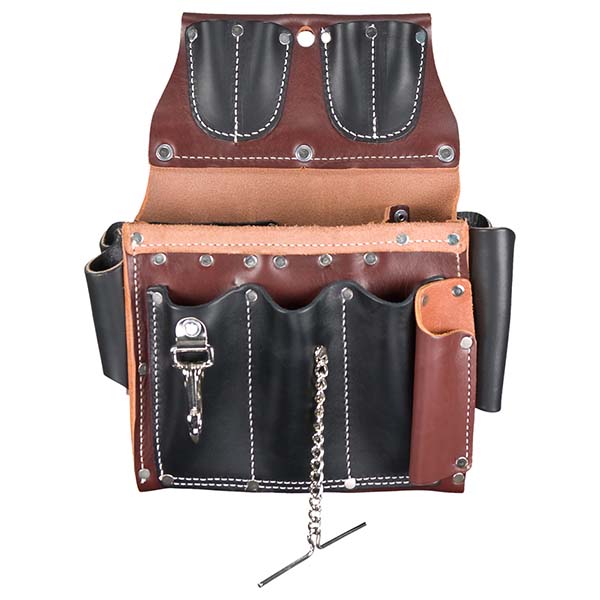
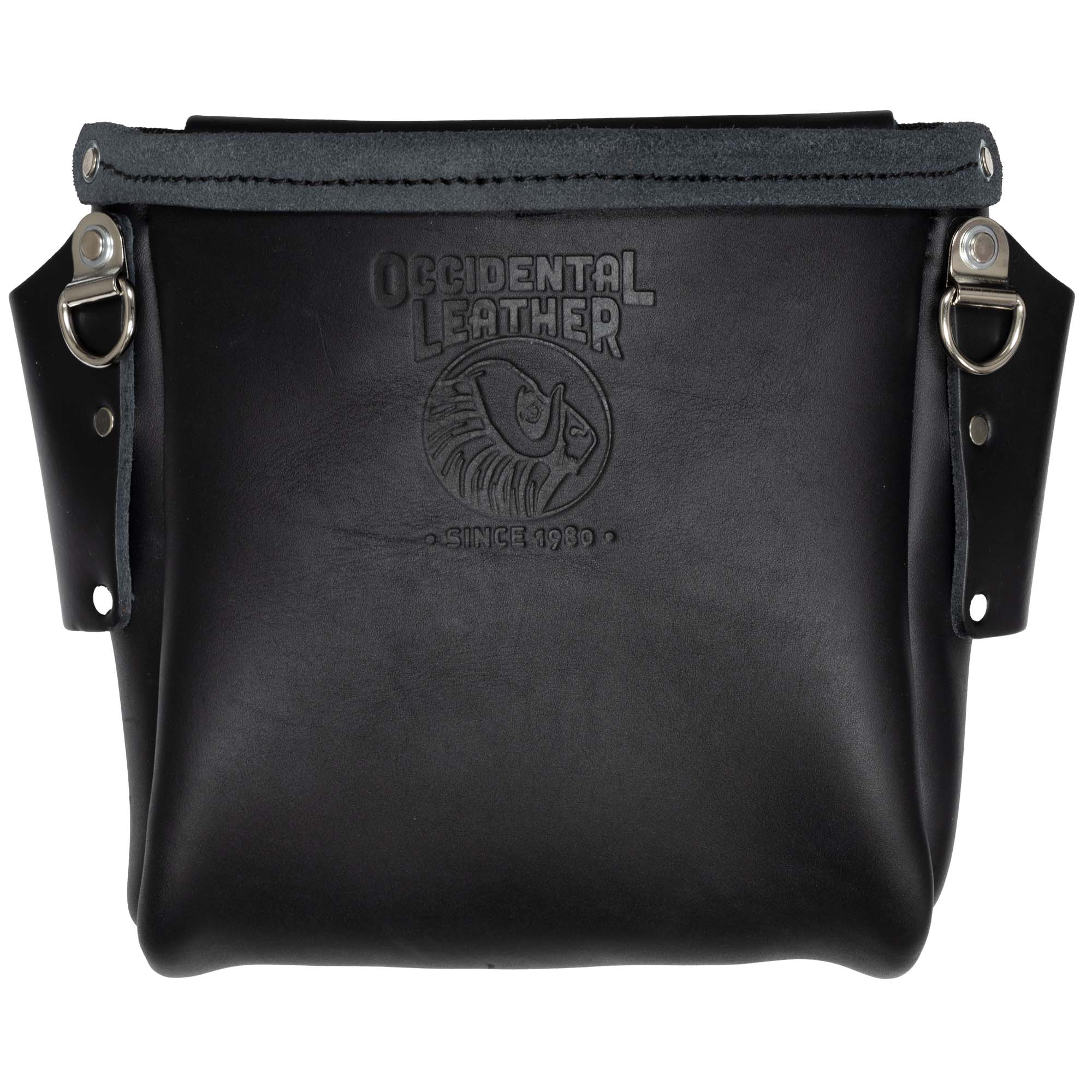
Here are some tips on how to set up your Occidental Leather Tool Belt for better workflow.
Start With the Work You Actually Do
Don’t start by asking, “How many pockets do I need?”
Start by asking, “What do I reach for all day?”
A framer, an electrician, a finish carpenter, a remodeler, and a general contractor all need different setups. The tools are different. The fasteners are different. The pace of work is different.
Your belt should match your job.
A framer may need more fastener storage and a place to hang a nail gun, plus a speed square, tape, chalk line, knife, pencil, and layout tools close at hand. An electrician may prioritize hand tools, testers, strippers, screwdrivers, tape, bits, and overall organization.
There are absolutely some general use layouts, but there’s no universal perfect layout. There’s only the layout that makes sense for your work.
Put Your Most-Used Tools Where Your Hands Naturally Go
Your tool belt should build muscle memory.
The tools you use constantly should live in predictable, easy-to-reach spots. You shouldn’t have to look down every time you need your pencil, knife, tape, square, or pliers.
Think about your dominant hand. Most tradespeople want their most-used hand tools on their dominant side and fasteners or support tools on the other. That’s not a hard rule, but it’s a good starting point.
The more often you use something, the easier it should be to reach. If you only grab a tool once or twice in a 10 hour shift, it probably doesn’t deserve prime real estate.
Don’t Overload Your Belt
Just because a tool fits doesn’t mean it belongs there.
Overloading your belt adds weight, slows you down, and wears you out. It also makes it harder to find the tools you actually need.
A good setup isn’t about carrying every tool you own. It’s about carrying the tools you use often enough to justify the weight and their place.
Ask yourself:
- Did I use this tool yesterday?
- Do I reach for it multiple times a day?
- Is it faster to carry this than walk back for it?
- Is this tool earning its weight, or just adding it?
- Is there a better home for it?
If you’re carrying tools out of habit instead of need, clean up the setup. Your back will notice.
Keep Fasteners Organized
Fastener storage can make or break a setup.
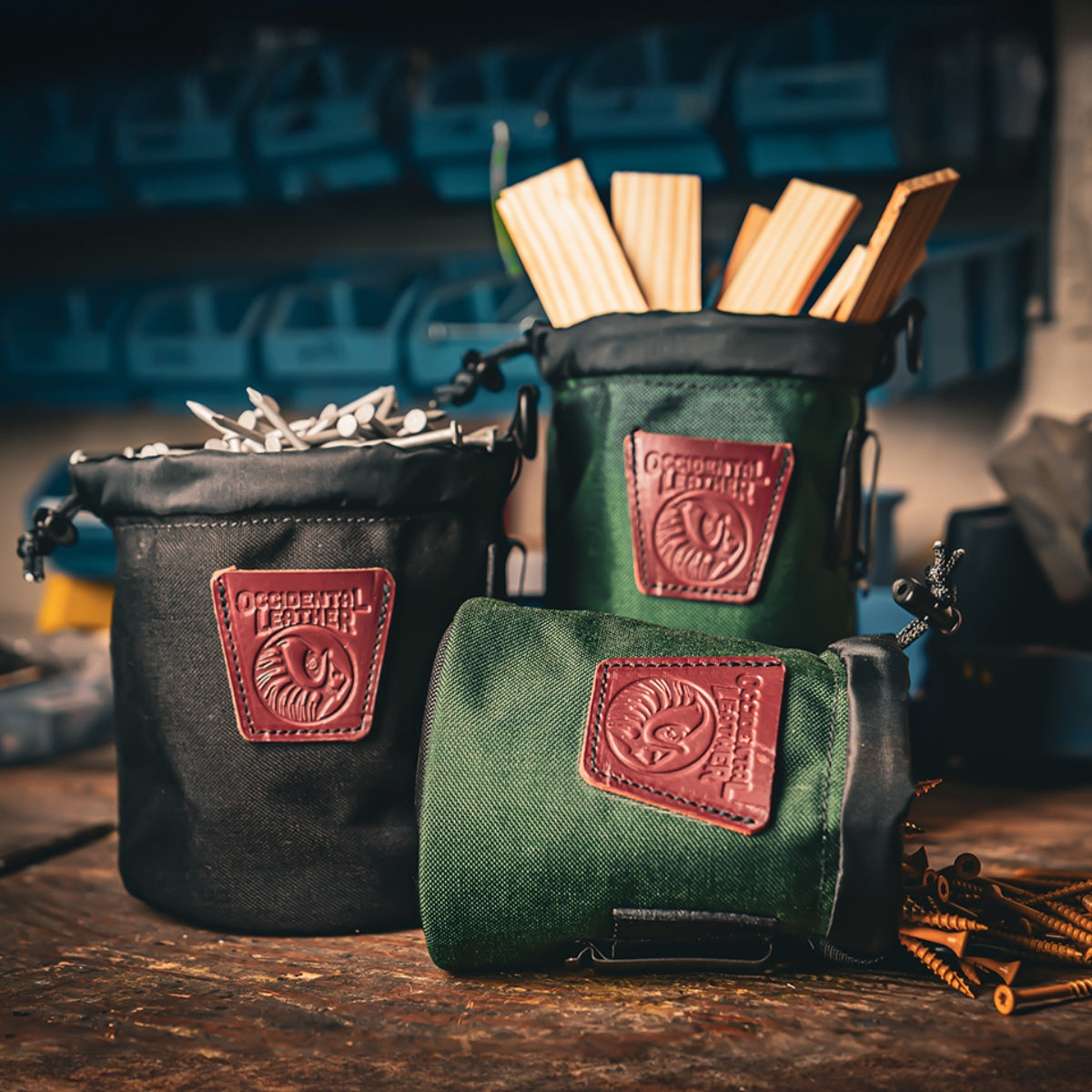
If your screws, nails, clips, or small parts are mixed together, you waste time sorting. If your fastener bags are too shallow, things spill. Too deep or poorly structured, and you end up digging.
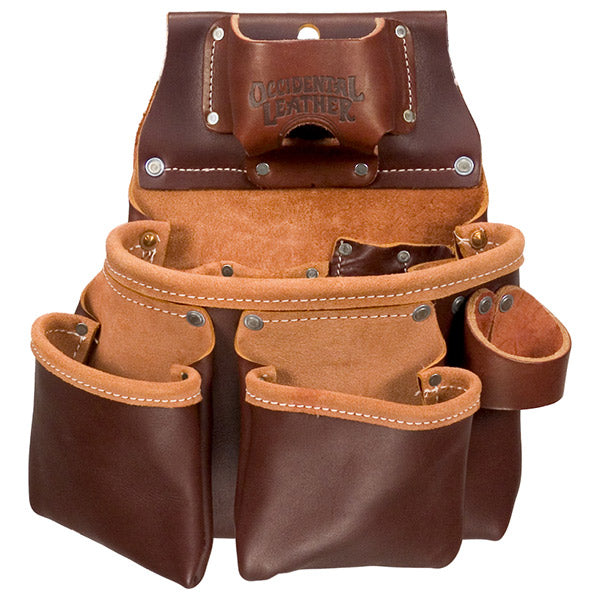
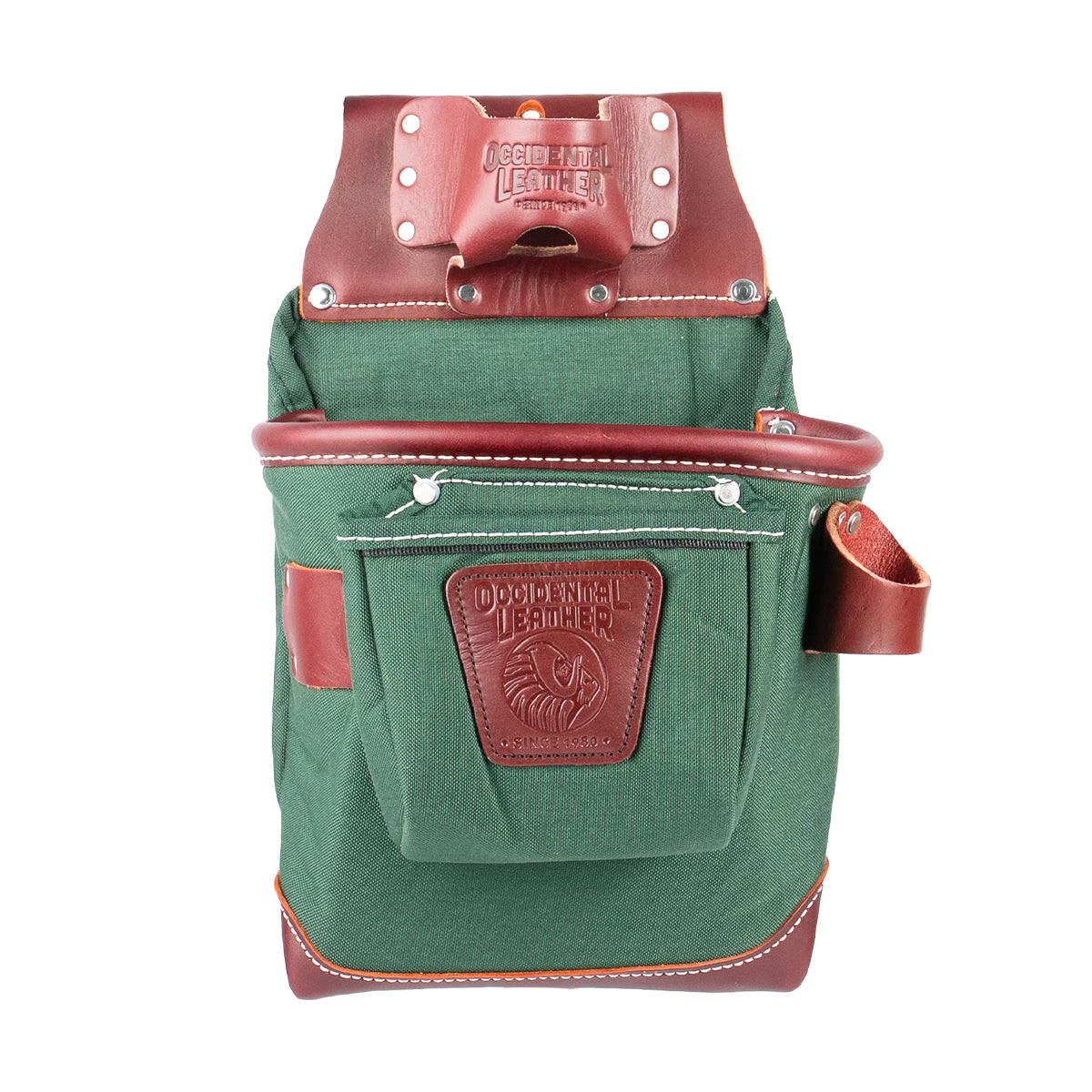
Your fastener pockets should match the work. For rough framing, bigger fastener bags may make sense. For electrical or finish work, smaller divided pockets are usually more useful.
The point isn’t just capacity. It’s access. You want to grab what you need without breaking the rhythm of the job. Ask yourself “is one large pouch good, or should I have double pouches?”
Balance the Weight
A tool belt that’s heavy on one side will wear you down.
Try to balance your load between left and right. Your hammer, tape, fasteners, hand tools, and specialty tools shouldn’t all pull in one direction.
A balanced belt feels more stable and shifts less throughout the day. That matters most if you work long hours, climb ladders, kneel often, or carry a lot of fasteners.
If your loaded belt constantly slides, twists, or pulls, the layout may be part of the problem.
Use Suspenders When the Load Calls for It
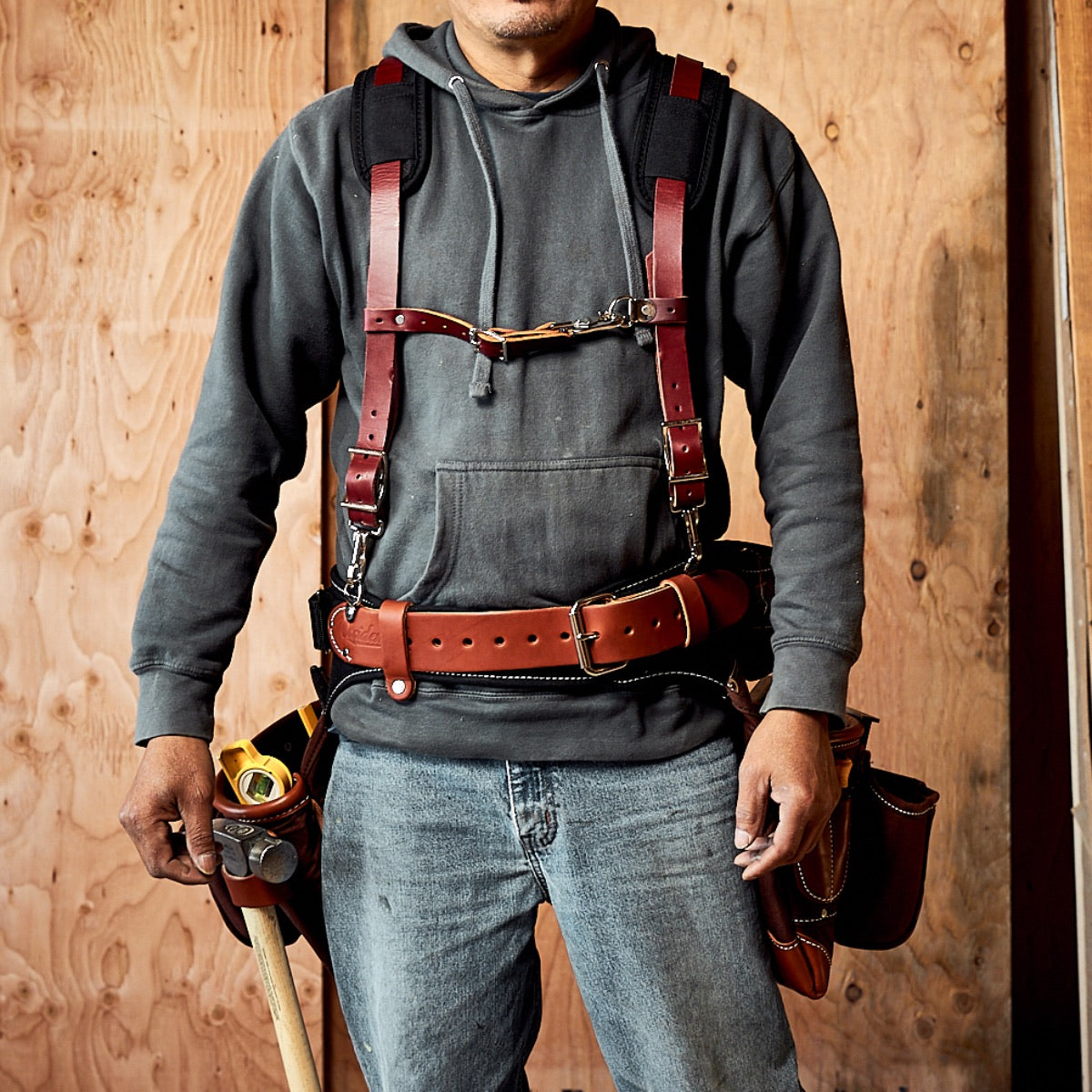
Suspenders aren’t just an add-on. For heavier setups, they help distribute weight and reduce strain. They’re especially useful for anyone carrying a lot of weight or wearing the belt all day.
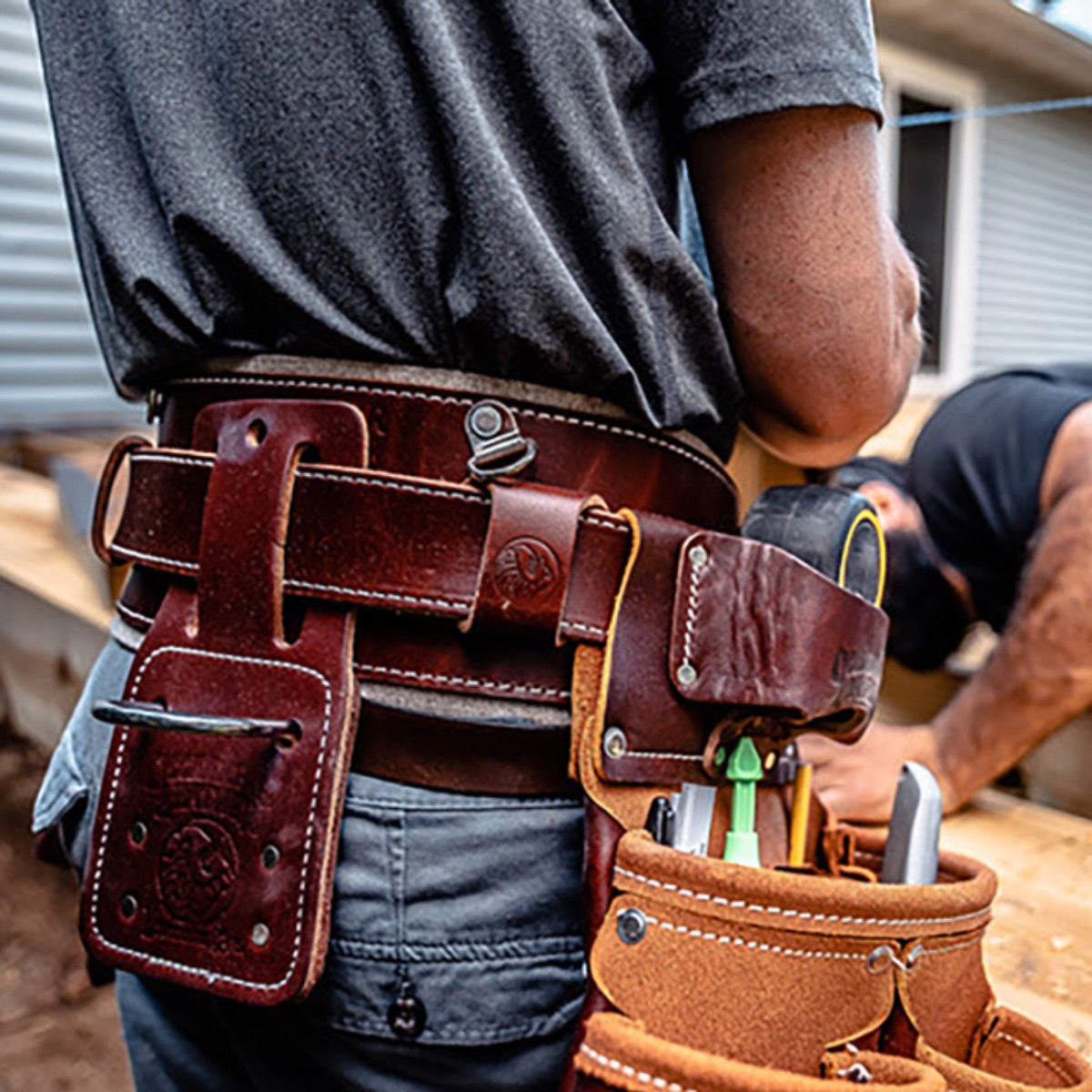
The key is using suspenders with a belt designed to accept them properly. If your setup has D-rings or dedicated suspender attachment points, that’s a sign the belt was built with load support in mind.
The goal isn’t to make the belt weightless. It’s to spread the load so one part of your body isn’t taking all the abuse. Reducing strain on your back and hips isn’t going to just benefit you on the job but help keep you going when the shift has ended.
Keep Your Layout Consistent
Once you find a setup that works, keep it consistent.
Changing tool locations every day kills efficiency. You want your hand to know where to go without thinking.
That’s where a structured tool belt makes a real difference. When pockets hold their shape and tools return to the same place every time, your workflow gets smoother. You spend less energy searching and more time working.
It seems small but small delays add up over a full day not to mention over a career.
Common Tool Belt Setup Mistakes
Most bad setups aren’t bad because of one big mistake. They’re bad because of little inefficiencies. The ones that cost the most:
- Keeping rarely used tools in prime pockets
- Letting fasteners mix together
- Wearing your belt too loose
- Using pockets that collapse under load
- Choosing pocket count over pocket usefulness
Rebuild Your Setup When the Job Changes
Your setup shouldn’t be frozen forever either. If your work changes, your setup should change with it.
Doing layout all week? Adjust for that. Switching from framing to punch work? Lighten the load. Moving into electrical, finish, remodeling, or service work? Rebuild the layout around those tools.
The best setup is the one that fits the job in front of you not the job you did three months ago.
Frequently Asked Questions
How should I organize my tool belt?
Organize your tool belt by putting your most-used tools where your hands naturally fall: dominant side for hand tools, non-dominant side for fasteners and support gear. Keep layout consistent so your hands know where to go without looking.
How tight should a tool belt be?
A tool belt should sit snug on your hips without digging in, tight enough that it doesn't shift when you move, loose enough that you can work without restriction. A belt that slides or twists throughout the day is too loose.
Do I really need suspenders with a tool belt?
Not always, but for heavier setups or full-day wear, suspenders make a real difference. They move weight off your hips and lower back and distribute it across your torso. If your loaded belt weighs more than a few pounds, suspenders are worth considering.
How many tools should I carry on my belt?
Carry what you actually use. If a tool sits in a pocket all day untouched, it's adding weight without earning it. The right number depends on your trade and your day, a framer and a finish carpenter need very different setups. Start lean and add back only what you genuinely miss.
How do I keep my tool belt from sagging?
A sagging belt is usually a fit issue, a weight issue, or both. Make sure the belt is sized correctly for your waist, cinched snug, and loaded evenly on both sides. Pockets that collapse under load also let tools shift. A belt with structured and dedicated pockets holds its shape and your tools in place.
Find the Right Setup for Your Work
A well-built belt only works as well as the setup inside it. If you're still dialing in your rig, shop Occidental belts by trade to find a configuration built for how you work, or use our tool belt size guide to make sure you're fitted right before you load it up.
Share